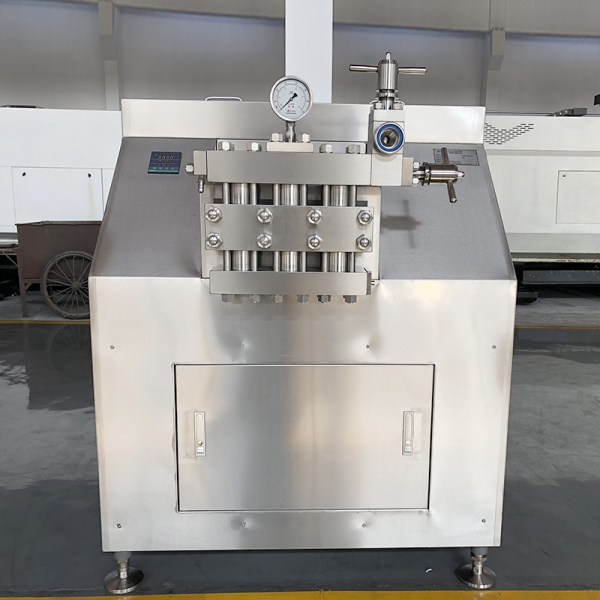
Homogenizers for Startup Factories: Choosing the Right Size and Model
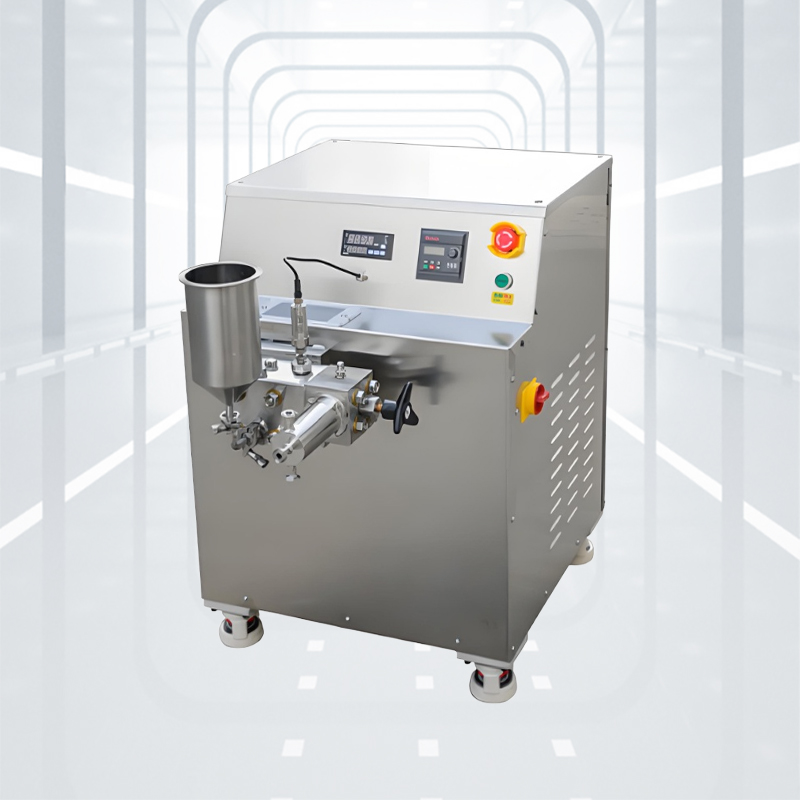
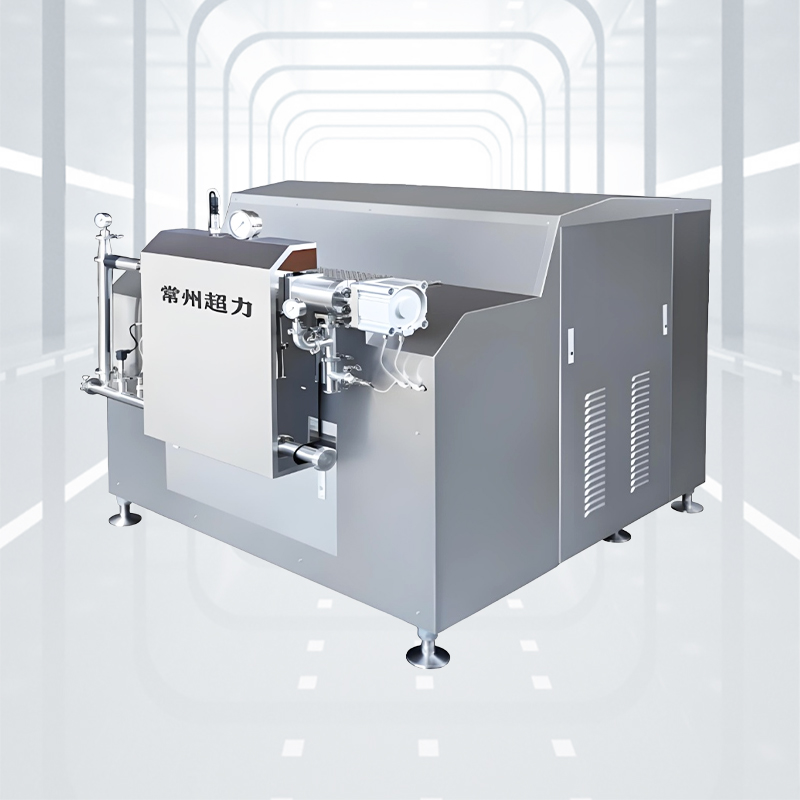
For startup factories entering industries such as food processing, beverages, cosmetics, pharmaceuticals, or biotechnology, selecting the right homogenizer is an important decision. Homogenization plays a critical role in improving product stability, texture, and consistency, but choosing equipment that fits both current production needs and future growth can be challenging. A well-chosen homogenizer can help startups achieve high product quality while maintaining efficient operations and manageable costs. One of the first considerations for startup factories is production capacity. Many new businesses begin with small or medium batch sizes while testing the market and refining their products. In such cases, selecting a homogenizer with an appropriate flow rate is essential. Equipment that is too small may limit production growth, while overly large systems can result in unnecessary investment and higher operating costs. The key is to find a balance that supports current production volumes while allowing room for gradual expansion.
Pressure capability is another important factor when choosing a homogenizer. Different products require different levels of pressure to achieve the desired particle size and emulsion stability. For example, dairy beverages and sauces may require moderate homogenization pressure, while pharmaceutical suspensions or nano-material dispersions may need significantly higher pressure levels. Startup manufacturers should evaluate their product requirements carefully to select a machine capable of delivering the necessary performance. Product characteristics also influence the choice of homogenizer model. Some formulations are low-viscosity liquids that flow easily through processing equipment, while others may be thicker or contain solid particles. Understanding the physical properties of the product helps determine the most suitable homogenization design, including valve configuration, pump structure, and material compatibility. Proper equipment selection ensures efficient processing and protects both the product and the machine.
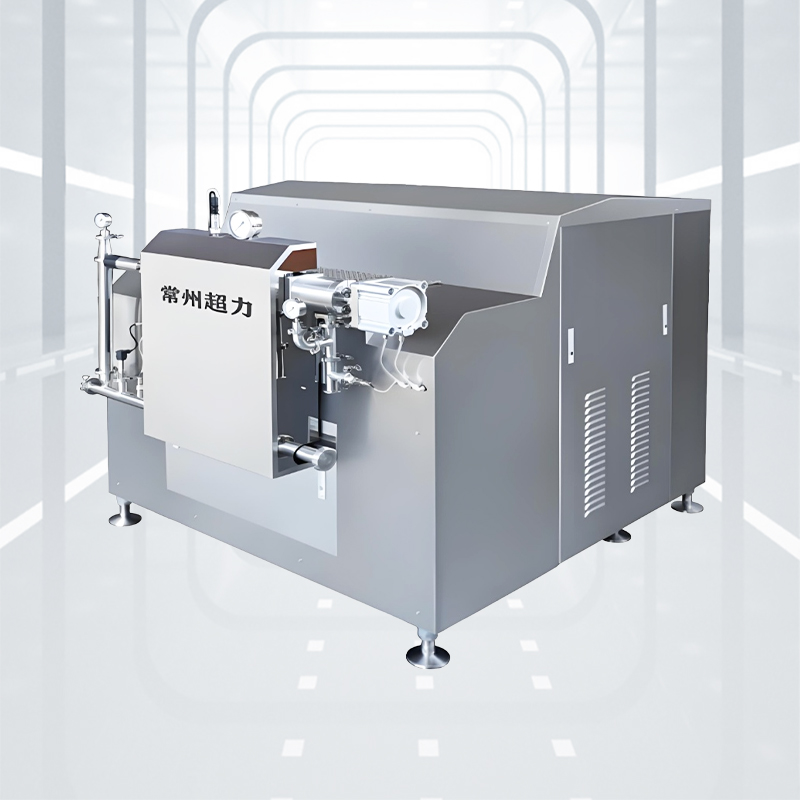
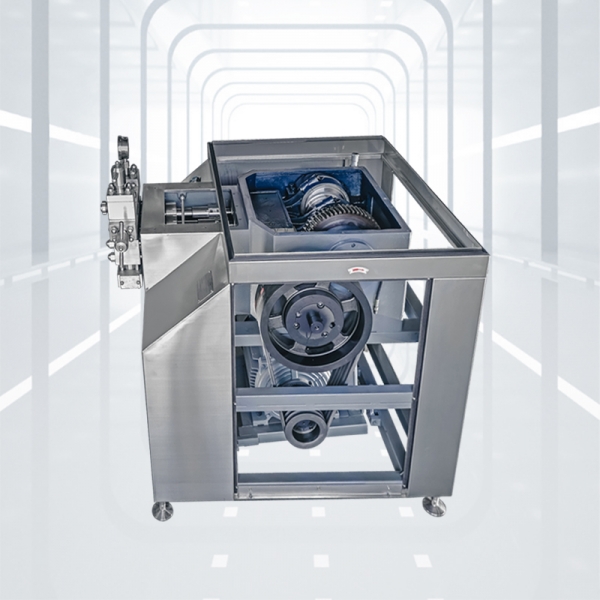
Another critical aspect for startup factories is operational reliability. New production facilities often operate with limited technical staff and tight production schedules. Homogenizers designed with stable pressure output, durable components, and user-friendly control systems can simplify daily operations. Reliable equipment reduces the risk of downtime and allows operators to focus more on product development and quality improvement. Maintenance requirements should also be considered during the selection process. Machines with easily replaceable wear parts and simple maintenance procedures are especially valuable for growing businesses. Regular maintenance is necessary to keep homogenizers operating at peak performance, and equipment designed for long service life can significantly reduce long-term operational costs.
Flexibility is another advantage that startup manufacturers should look for in a homogenizer. As businesses grow, they may expand into new product lines or adjust formulations to meet market demand. A homogenizer that offers adjustable pressure settings and adaptable processing parameters provides greater flexibility for future product development. Finally, choosing a reliable equipment manufacturer is just as important as selecting the right machine model. A manufacturer with strong technical experience can provide guidance on equipment selection, installation, and process optimization. For startup factories, having access to technical support and reliable service helps ensure smooth operation during the early stages of production.
For startups building their manufacturing capabilities, investing in the right homogenizer is a strategic step toward long-term success. By carefully evaluating production capacity, pressure requirements, product characteristics, and operational efficiency, new factories can select equipment that supports both current needs and future growth. With the right homogenization solution, startups can deliver consistent product quality while establishing a strong foundation for expansion in competitive global markets.