Why Low Noise Operation Matters in Modern Factories
In today’s advanced manufacturing environment, efficiency and productivity are no longer the only benchmarks of success. Modern factories must also prioritize workplace safety, employee well-being, and environmental responsibility. One often-overlooked but highly important factor in achieving these goals is noise control. Low noise operation is not just a comfort feature—it is a critical element of sustainable and high-performance industrial production. Excessive noise in factories can have serious consequences for worker health. Prolonged exposure to high sound levels may lead to hearing loss, fatigue, stress, and reduced concentration. In industries where operators must monitor gauges, adjust parameters, or inspect products closely, high noise levels can interfere with communication and increase the risk of human error. By investing in low-noise equipment, manufacturers create a safer and more focused working environment, ultimately improving operational reliability.
Noise reduction also enhances overall productivity. A quieter factory floor allows teams to communicate more effectively, respond quickly to issues, and maintain smoother workflows. When operators can clearly hear alarms, signals, or machine feedback, they can react promptly to prevent downtime or quality problems. This leads to fewer interruptions and more consistent production performance. From a compliance standpoint, many countries and regions have strict occupational noise exposure regulations. Maintaining sound levels within legal limits requires either engineering controls, protective equipment, or both. Choosing machinery designed for low-noise operation helps companies meet regulatory standards more easily and reduces the need for additional soundproofing measures or protective barriers.
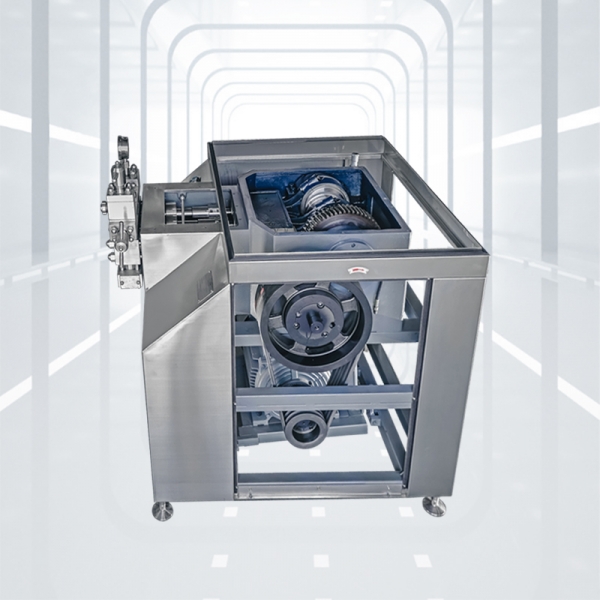
Low noise levels also reflect advanced engineering design. Modern industrial equipment that operates quietly often incorporates improved mechanical balance, optimized component alignment, and precision manufacturing techniques. These features not only reduce sound but also minimize vibration and mechanical wear. As a result, low-noise machines typically experience longer service life and lower maintenance costs compared to equipment that generates excessive vibration and sound. Another important consideration is factory environment and corporate image. As manufacturers increasingly welcome clients, partners, and auditors to visit their facilities, the working environment becomes part of their brand representation. A clean, organized, and quiet production floor demonstrates professionalism, technological advancement, and attention to employee welfare. It signals that the company invests in quality and responsible operations.
Energy efficiency is also closely linked to noise levels. Machines that produce excessive noise often suffer from inefficiencies such as friction, imbalance, or unstable operation. By contrast, well-designed low-noise equipment usually operates more smoothly and efficiently, reducing energy waste. This contributes to lower operating costs and supports sustainability goals. In industries such as food processing, pharmaceuticals, biotechnology, and precision manufacturing, stable and controlled environments are essential. Excessive vibration and noise can affect sensitive processes, measurement accuracy, and product consistency. Low-noise operation ensures greater process stability and protects product integrity, particularly in high-precision applications.
In conclusion, low noise operation is far more than a comfort feature—it is a strategic advantage for modern factories. It supports worker safety, regulatory compliance, productivity, equipment longevity, energy efficiency, and brand image. As industrial standards continue to rise, investing in quieter, more refined machinery is not just beneficial—it is essential for long-term success in competitive global markets.