The Evolution of Homogenization: From Basic Mixing to Nano Processing
Homogenization technology has undergone a remarkable transformation over the past century. What began as a simple method for improving the consistency of liquid products has evolved into an advanced processing technology used in industries ranging from food and beverages to pharmaceuticals, biotechnology, cosmetics, and nano-materials. In the early days of manufacturing, mixing was achieved primarily through mechanical agitation. Stirrers, paddles, and blending equipment were used to combine ingredients, but these methods often produced inconsistent results. Large particles remained suspended unevenly, and products frequently separated during storage.
The dairy industry was among the first to recognize the limitations of traditional mixing. Milk naturally separates as fat globules rise to the surface, creating a cream layer. To solve this problem, engineers developed the first homogenization systems, which reduced fat particle size and distributed them more evenly throughout the liquid. As industrial demand increased, homogenization technology became more sophisticated. Manufacturers began using higher pressures and improved valve designs to generate stronger mechanical forces. These advancements made it possible to create finer emulsions and more stable dispersions than traditional mixing methods could achieve.
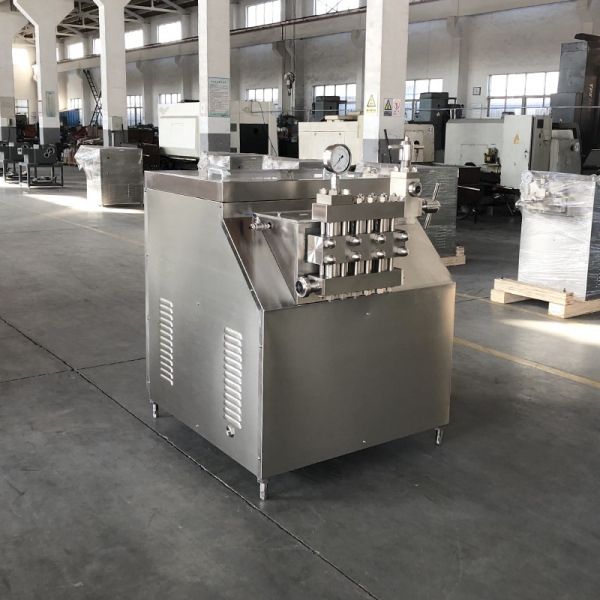
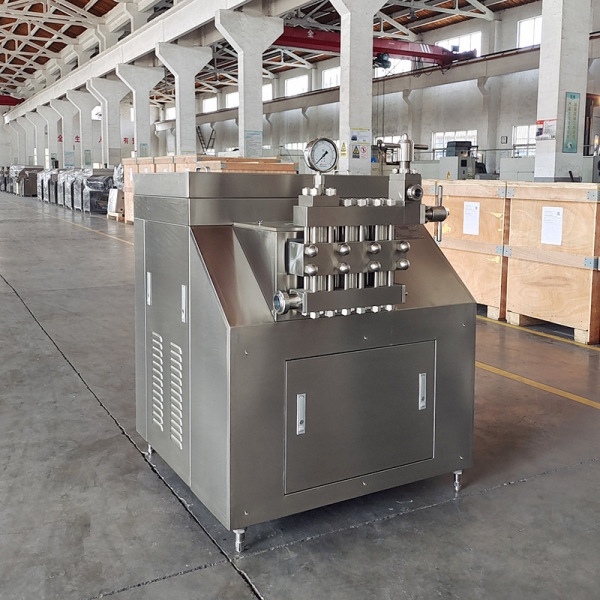
The introduction of high-pressure homogenization marked a major milestone in processing technology. By forcing liquids through a narrow homogenizing valve under extreme pressure, powerful shear forces, turbulence, and cavitation were generated. These forces effectively broke down particles and droplets into much smaller sizes. Food and beverage manufacturers quickly adopted this technology. Products such as milk, yogurt, sauces, juices, and plant-based beverages benefited from improved texture, enhanced stability, and longer shelf life. Consumers enjoyed smoother products while manufacturers achieved greater consistency in production.

The pharmaceutical industry also discovered significant benefits from homogenization. Many medicines require precise particle size control to ensure proper absorption and effectiveness. High-pressure homogenizers allowed manufacturers to produce stable suspensions, emulsions, and injectable formulations with improved performance and reliability. Biotechnology further expanded the applications of homogenization. Researchers found that high-pressure systems could disrupt cell walls and release valuable intracellular materials such as proteins, enzymes, and biological compounds. This capability made homogenizers an essential tool in biologics production and scientific research.
The cosmetics industry soon embraced homogenization technology as well. Consumers increasingly demanded creams, lotions, and serums with smooth textures and long-lasting stability. Fine particle distribution achieved through homogenization helped create premium cosmetic products with superior appearance and performance. As engineering capabilities improved, homogenization moved beyond micron-level processing and entered the world of nanotechnology. Advanced high-pressure systems became capable of producing nano-emulsions and nano-suspensions with extremely small and uniform particle sizes. These innovations opened new opportunities in pharmaceuticals, functional foods, and advanced materials.
Modern homogenizers now incorporate digital controls, automated monitoring systems, and intelligent process management. Operators can precisely adjust pressure, flow rate, and processing conditions to achieve highly repeatable results. These technological improvements have increased efficiency while reducing production variability. Today, homogenization continues to evolve alongside smart manufacturing and Industry 4.0 technologies. From its origins as a simple solution for improving milk stability to its current role in nano-scale processing, homogenization has become a cornerstone of modern production. As industries pursue higher quality, greater efficiency, and innovative products, advanced homogenization technology will remain a key driver of future manufacturing success.