The Importance of Pressure Stability in High-Pressure Homogenizers
High-pressure homogenization is widely used in industries such as food and beverages, pharmaceuticals, cosmetics, biotechnology, and chemical manufacturing. While maximum pressure often receives the most attention, pressure stability is equally important. A homogenizer that maintains consistent pressure throughout the production process delivers more reliable product quality, higher production efficiency, and longer equipment life. Stable pressure is the foundation of consistent homogenization performance. Pressure stability refers to the homogenizer's ability to maintain the selected operating pressure continuously during production. Sudden pressure fluctuations can cause inconsistent particle size reduction, uneven emulsification, and variable product quality. Even if a homogenizer reaches high pressure, unstable operation may prevent it from producing uniform results from batch to batch.
One of the biggest benefits of stable pressure is consistent particle size distribution. During homogenization, liquids pass through a specially designed valve where high pressure generates shear forces, turbulence, and cavitation. These forces break particles and droplets into smaller sizes. If pressure varies during processing, the intensity of these forces also changes, leading to uneven particle sizes and inconsistent product performance. In the food and beverage industry, pressure stability directly affects product texture, appearance, and shelf life. Products such as milk, yogurt, plant-based beverages, sauces, and nutritional drinks require uniform emulsions to prevent separation during storage. Stable homogenization pressure ensures every batch achieves the same smooth texture and long-term stability, helping manufacturers maintain consistent product quality.
For pharmaceutical applications, pressure consistency is even more critical. Many pharmaceutical suspensions, injectable formulations, and biologics require highly controlled particle sizes to ensure proper absorption and therapeutic effectiveness. Pressure fluctuations may produce variations in particle distribution, potentially affecting product performance and manufacturing consistency. Stable operating pressure helps manufacturers meet strict quality and regulatory standards. Cosmetic manufacturers also benefit from stable homogenization pressure. Products such as creams, lotions, serums, and emulsions depend on fine and uniform particle distribution for smooth texture and attractive appearance. Consistent pressure helps create stable emulsions that resist separation while improving the feel and performance of finished cosmetic products.
Pressure stability also improves production efficiency. When operating pressure remains constant, the homogenization process becomes more predictable, reducing the need for repeated processing or product rework. Stable operation shortens production time, minimizes waste, and allows manufacturers to achieve higher productivity while maintaining consistent product quality. Another important advantage is reduced mechanical wear. Frequent pressure fluctuations place additional stress on critical components such as plungers, valves, seals, and pump heads. Over time, this repeated stress accelerates wear and increases maintenance requirements. A homogenizer designed for stable pressure operation distributes mechanical loads more evenly, extending component life and reducing maintenance costs.
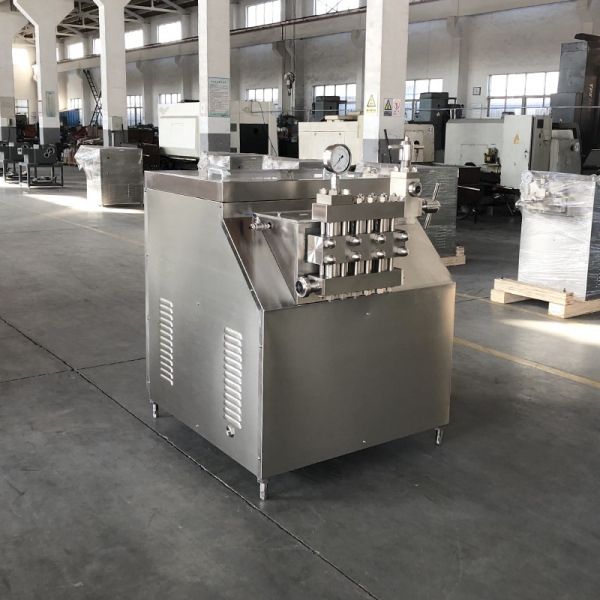
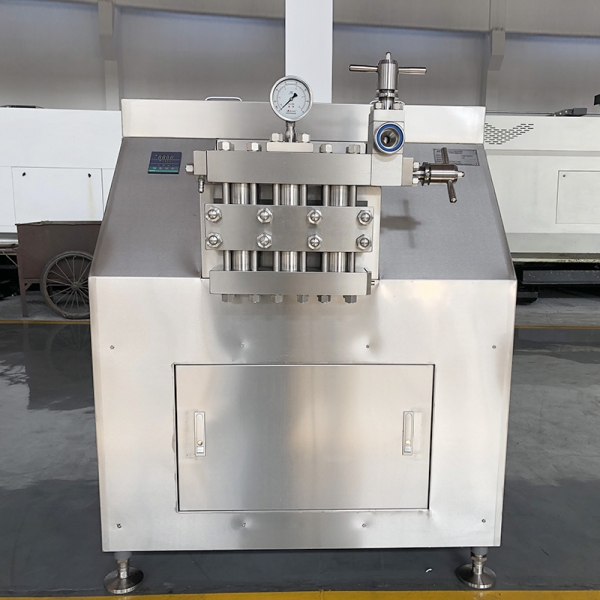
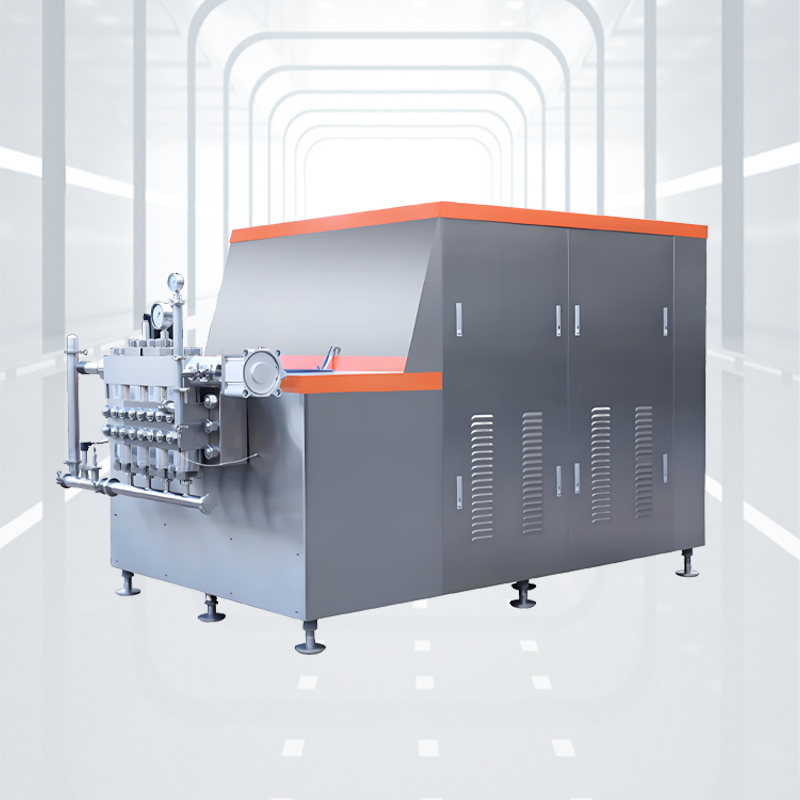
Achieving stable pressure depends on several engineering factors. High-quality pump systems, precision-machined plungers, optimized valve designs, and responsive control systems all contribute to maintaining smooth pressure throughout operation. Manufacturers should evaluate these design features carefully when selecting a homogenizer, as they directly influence long-term equipment reliability. Regular maintenance is equally important for maintaining pressure stability. Worn seals, damaged valves, or improper lubrication can gradually cause pressure fluctuations. Routine inspection and timely replacement of wear components help preserve consistent operating conditions and prevent unexpected production interruptions.
Modern high-pressure homogenizers increasingly incorporate intelligent monitoring systems that continuously measure pressure during production. Real-time sensors and digital control systems allow operators to identify pressure variations immediately and make adjustments before product quality is affected. These smart technologies improve process control and support more reliable manufacturing. Pressure stability is much more than a technical specification—it is a key factor in achieving consistent product quality, efficient production, and long-term equipment performance. Whether processing dairy products, pharmaceuticals, cosmetics, biologics, or chemical formulations, manufacturers benefit from homogenizers that deliver smooth, stable, and reliable pressure throughout every production cycle. Investing in equipment designed for pressure stability helps ensure higher productivity, lower operating costs, and consistent results for years to come.