How Proper Valve Maintenance Protects Homogenization Efficiency
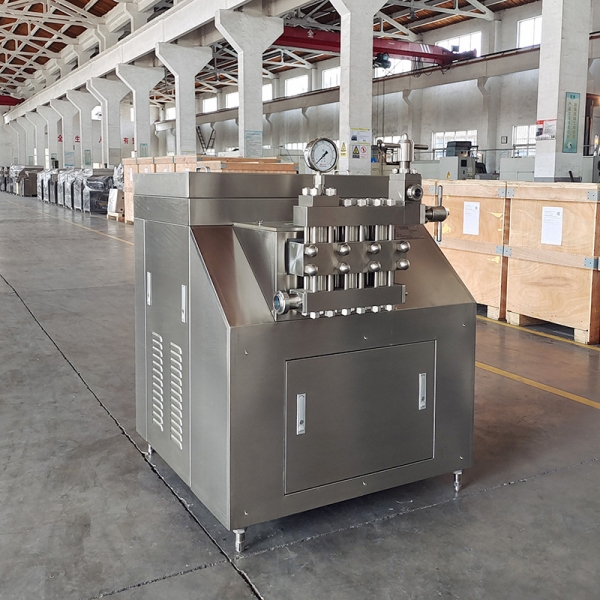
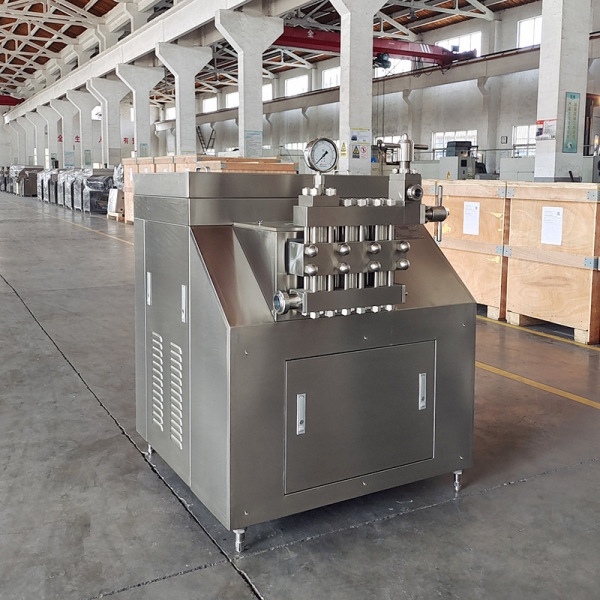
The homogenizing valve is one of the most important working components in a high-pressure homogenizer. During operation, the product passes through the valve under high pressure, where intense forces help reduce particle or droplet size and create a more uniform dispersion. Because the valve operates under demanding conditions, its condition can directly influence homogenization efficiency, product consistency, and equipment reliability. A valve that is properly maintained can help the homogenizer maintain stable processing conditions. Over time, repeated pressure cycles and continuous product flow can cause gradual wear on valve surfaces and related components. As wear increases, the machine may no longer perform under the same conditions as when the valve was new. Regular inspection provides an opportunity to identify this deterioration before it significantly affects production.
Pressure stability is one of the clearest reasons to pay attention to valve condition. The homogenizing valve needs to create the appropriate pressure drop and flow conditions for the homogenization process. If valve components become excessively worn, pressure may fluctuate or become difficult to maintain. This can result in inconsistent processing from one batch to another, particularly when the product requires tightly controlled particle or droplet characteristics. Valve wear can also influence the final product. A homogenizer is expected to produce repeatable results under defined operating conditions. When the valve geometry or contact surfaces change because of wear, the forces acting on the processed material can change as well. Manufacturers may notice differences in dispersion, emulsion stability, texture, or particle-size distribution even though other production parameters remain unchanged.
The type of product being processed has an important effect on valve wear. Formulations containing abrasive particles or high concentrations of solids can place greater demands on the valve than relatively clean liquid products. Some chemical formulations may also require careful selection of product-contact materials. Understanding the characteristics of the material helps manufacturers establish an appropriate inspection and maintenance routine. Regular cleaning is another essential part of valve maintenance. Product residue can accumulate around internal surfaces and flow passages, particularly when processing viscous formulations or products that can dry quickly. Deposits may interfere with normal flow and make it more difficult for the homogenizer to maintain stable operating conditions. Appropriate cleaning procedures help keep the valve in suitable working condition.
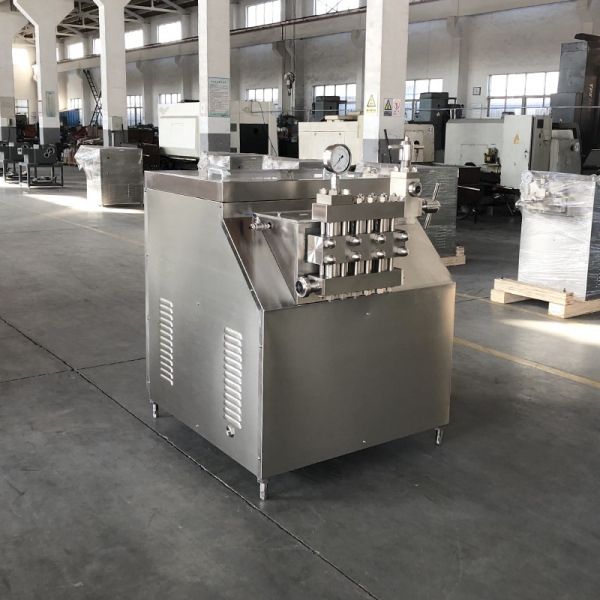
Operators should also pay attention to changes in machine behavior. Unusual pressure fluctuations, unexpected noise, leakage, reduced processing capacity, or changes in product quality may indicate that an internal component requires inspection. These signs should not simply be treated as normal variations, especially when they appear repeatedly during otherwise consistent production. Replacing worn components at the appropriate time can protect other parts of the homogenizer. Continuing to operate with a severely worn valve may place additional stress on related components and potentially increase maintenance costs. A planned replacement of wear parts is often easier to manage than an unexpected failure that interrupts an entire production line.
Maintenance records can make valve servicing more systematic. Manufacturers can record operating hours, processed materials, pressure conditions, inspections, cleaning activities, and replacement dates. Over time, this information can help production teams identify wear patterns and establish maintenance intervals that are better suited to their actual operating conditions rather than relying only on fixed assumptions. The quality and compatibility of replacement parts also matter. Homogenizing valves operate under demanding pressure and flow conditions, so components need to match the equipment design and application. Using unsuitable parts can affect pressure stability and processing performance. When maintenance is required, manufacturers should confirm the correct specifications rather than choosing replacement components solely according to appearance or initial cost.
For equipment used in food, cosmetics, pharmaceutical engineering, biologics, and nano-material processing, maintaining stable homogenization performance is particularly important. Changzhou Chaoli Homogenizer Factory, which has focused on homogenizer development and manufacturing since 1992, offers high-pressure homogenizer models including the 3011, 3015, 3030, 3045, 3090, and 4110. Proper maintenance of valves and other wear components supports the reliable operation of these types of high-pressure processing systems. Ultimately, valve maintenance is not simply a routine repair task. It is part of maintaining the performance of the entire homogenization process. Regular inspection, appropriate cleaning, timely replacement, suitable operating conditions, and correct replacement components can help preserve pressure stability and processing consistency. By treating the homogenizing valve as a critical part of process control rather than an ordinary spare part, manufacturers can reduce avoidable downtime and keep their homogenization equipment working efficiently for longer.