What Determines the Service Life of a High-Pressure Homogenizer?
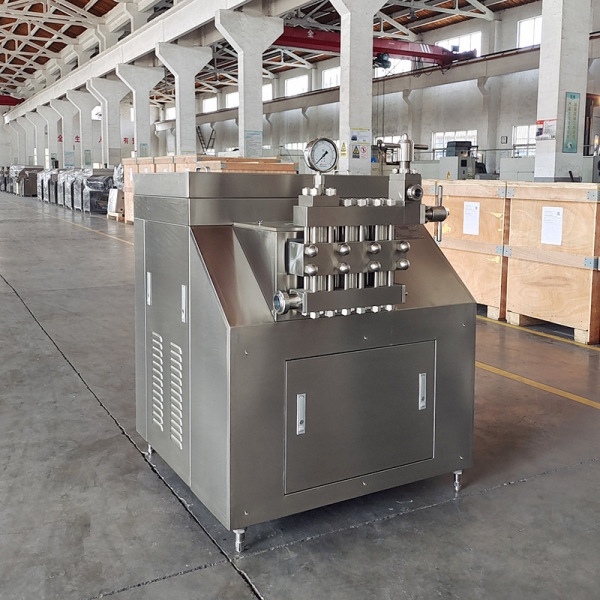
The service life of a high-pressure homogenizer is an important consideration for manufacturers investing in production equipment. A homogenizer may operate for many years, but its actual lifespan depends on several factors, including component quality, operating conditions, maintenance practices, product characteristics, and equipment design. Understanding these factors helps manufacturers protect their investment and maintain stable processing performance over the long term. One of the most important factors is the quality of the machine's critical components. High-pressure homogenizers operate under intense mechanical and hydraulic forces, placing continuous stress on valves, plungers, seals, pump heads, and other wear parts. Components manufactured from suitable, durable materials can better withstand repeated pressure cycles and contribute to longer equipment service life.
Operating pressure also has a direct influence on component wear. Higher pressure can provide stronger homogenization forces, but continuous operation at unnecessarily high pressure may increase stress on critical components. Selecting an appropriate pressure according to the product and required processing results allows manufacturers to balance homogenization performance with equipment durability. The characteristics of the processed material should also be considered. Abrasive particles, high-solid formulations, corrosive ingredients, or highly viscous products can increase wear on internal components. Before selecting a homogenizer, manufacturers should evaluate the formulation carefully and choose suitable wetted materials and component configurations for the application.
The homogenizing valve is particularly important because it experiences intense pressure and flow conditions. Over time, the valve seat and other internal surfaces may gradually wear, changing the processing characteristics of the equipment. Regular inspection and replacement of worn valve components help maintain effective homogenization while preventing additional stress on other parts of the system. Seal and plunger condition can also affect service life. Damaged or worn seals may result in leakage, pressure loss, or contamination, while worn plungers can affect pump performance. Replacing these components at appropriate intervals prevents minor wear from developing into larger mechanical problems that could lead to extended downtime or expensive repairs.
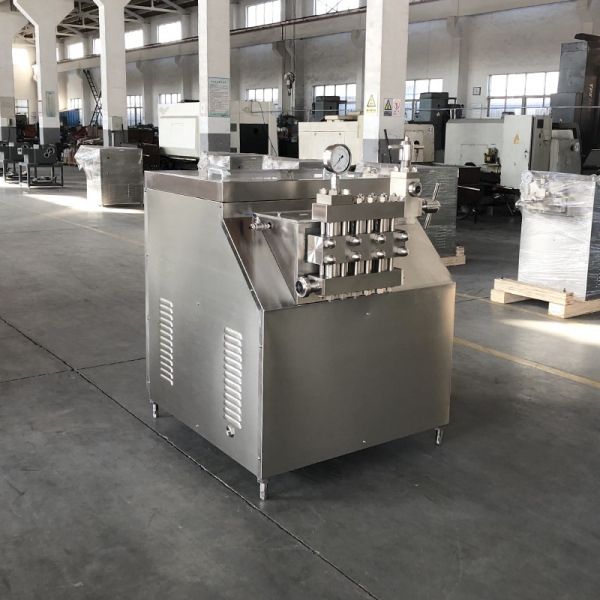
Cleaning practices have an equally important role. Product residues that remain inside the homogenizer can harden or accumulate, potentially restricting flow and affecting internal components. Proper cleaning after production helps maintain hygienic conditions and prevents material buildup that could reduce equipment performance or accelerate component wear. Preventive maintenance is generally more effective than waiting for equipment failure. Regular inspections can identify abnormal pressure behavior, leakage, unusual vibration, or component deterioration at an early stage. Establishing a maintenance schedule based on operating hours, production conditions, and manufacturer recommendations allows potential problems to be addressed before they cause major interruptions.
Operator practices can also influence equipment longevity. Incorrect startup procedures, sudden pressure changes, operating without sufficient product supply, or inappropriate pressure adjustments can place unnecessary stress on the homogenizer. Proper operator training ensures that the equipment is used according to its intended operating conditions and reduces avoidable mechanical damage. Another important factor is the quality of replacement parts. Using properly specified valves, seals, plungers, and other components helps preserve the original performance characteristics of the homogenizer. Poor-quality or incompatible parts may wear quickly and can negatively affect pressure stability, product quality, and the service life of surrounding components.
For manufacturers such as Changzhou Chaoli Homogenizer Factory, equipment design and manufacturing quality provide the foundation for reliable long-term operation. Chaoli has focused on homogenizer R&D and production since its establishment in 1992, with products designed for applications across food and cosmetics, pharmaceutical engineering, biologics, and nano-material processing. Selecting equipment appropriate for the application and maintaining it correctly can help customers achieve dependable performance. Ultimately, the service life of a high-pressure homogenizer is not determined by a single specification. Component quality, pressure selection, material characteristics, cleaning, maintenance, operator practices, and replacement-part quality all work together to determine how long the equipment performs effectively. With appropriate equipment selection and proactive maintenance, manufacturers can reduce unexpected downtime, control operating costs, and obtain greater long-term value from their homogenization systems.