Preventive Maintenance Strategies for Long-Lasting Homogenizers
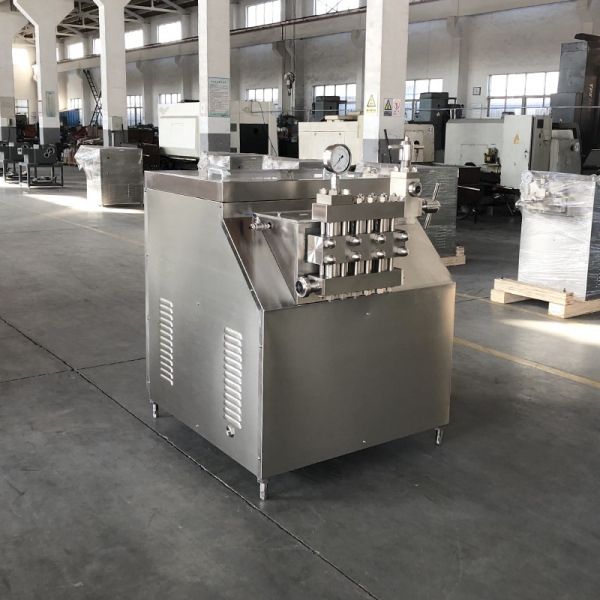
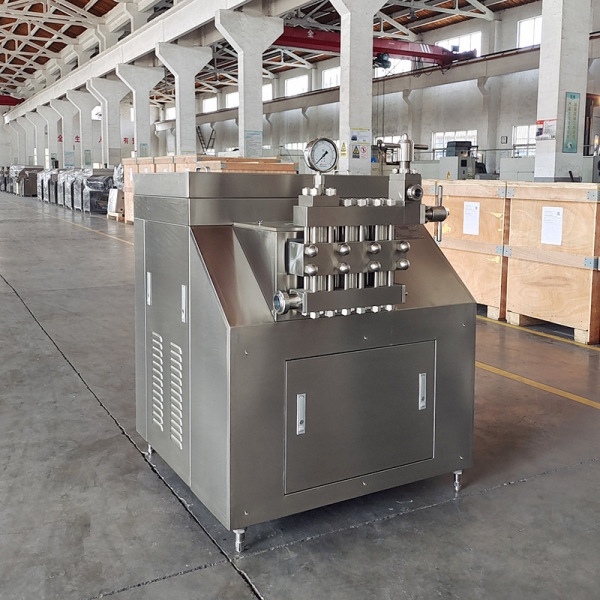
Preventive maintenance is essential for ensuring the long-term performance and reliability of industrial homogenizers. In demanding industries such as dairy, beverage, pharmaceutical, and chemical processing, homogenizers operate under high pressure and continuous workloads. Without a structured maintenance strategy, even the most advanced equipment can experience wear and reduced efficiency. By adopting preventive practices, manufacturers can extend machine lifespan, minimize downtime, and maintain consistent product quality. One of the most important aspects of preventive maintenance is establishing a regular inspection schedule. Routine checks allow operators to identify early signs of wear or malfunction before they escalate into costly failures. Components such as valves, pistons, seals, and bearings should be visually inspected and monitored for abnormal noise, vibration, or leakage. Early detection not only prevents breakdowns but also ensures that the homogenizer continues to operate at optimal performance levels.
Lubrication plays a critical role in maintaining the smooth operation of homogenizers. Proper lubrication reduces friction between moving parts, preventing excessive wear and overheating. It is important to follow manufacturer guidelines regarding the type and frequency of lubrication. Using the correct lubricant and ensuring it is applied consistently can significantly extend the life of key mechanical components and improve overall machine efficiency. Another key strategy is maintaining clean operating conditions. Contamination from residues, dust, or foreign particles can negatively impact homogenization performance and damage internal components. Regular cleaning of the machine, especially in industries with strict hygiene requirements like food and pharmaceuticals, is essential. Implementing proper cleaning protocols not only preserves equipment integrity but also ensures compliance with industry standards.
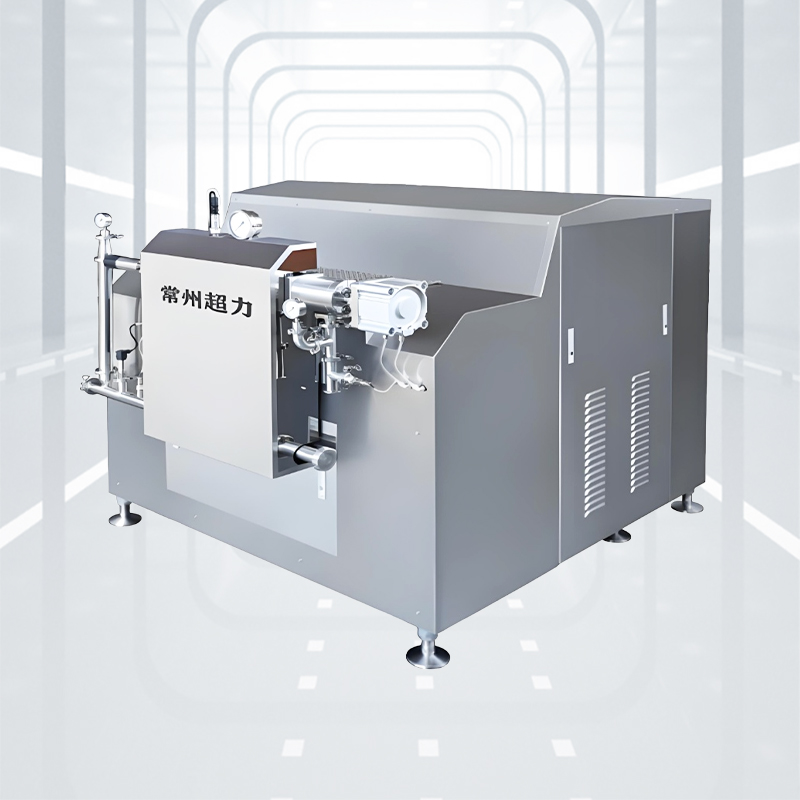
Monitoring operating parameters is equally important for preventive maintenance. Factors such as pressure, temperature, and flow rate should be closely observed during operation. Deviations from standard settings can indicate potential issues within the system. By maintaining stable operating conditions, companies can reduce stress on components and avoid unnecessary wear, ultimately prolonging the lifespan of the homogenizer. Replacing wear parts at the right time is a proactive approach that prevents unexpected failures. Components such as seals, valves, and gaskets are subject to continuous stress and should be replaced periodically based on usage and manufacturer recommendations. Waiting until parts fail can lead to more extensive damage and higher repair costs. Scheduled replacement ensures uninterrupted operation and consistent product quality.
Training operators is another crucial factor in effective preventive maintenance. Skilled operators who understand the equipment and its functions are better equipped to identify irregularities and perform basic maintenance tasks. Providing regular training sessions ensures that staff can operate the homogenizer safely and efficiently while following proper maintenance procedures. This reduces the likelihood of human error and extends equipment longevity. Documentation and record-keeping also play a vital role in maintenance planning. Keeping detailed records of inspections, repairs, and part replacements allows companies to track equipment performance over time. This data helps in predicting maintenance needs and optimizing service schedules. A well-documented maintenance history provides valuable insights that support better decision-making and resource allocation.
Incorporating advanced monitoring technologies can further enhance preventive maintenance strategies. Modern homogenizers often feature sensors and digital control systems that provide real-time data on machine performance. These systems enable predictive maintenance by identifying potential issues before they become critical. Leveraging such technology helps businesses improve efficiency, reduce downtime, and maintain consistent production output. Ultimately, preventive maintenance is an investment in the
longevity and reliability of homogenizers. By combining regular inspections, proper lubrication, cleanliness, parameter monitoring, timely part replacement, operator training, and data-driven strategies, companies can maximize the value of their equipment. For manufacturers seeking consistent performance and reduced operational costs, a proactive maintenance approach is not just beneficial—it is essential for long-term success.