Custom Homogenization Solutions: Tailoring Equipment for Unique Formulas
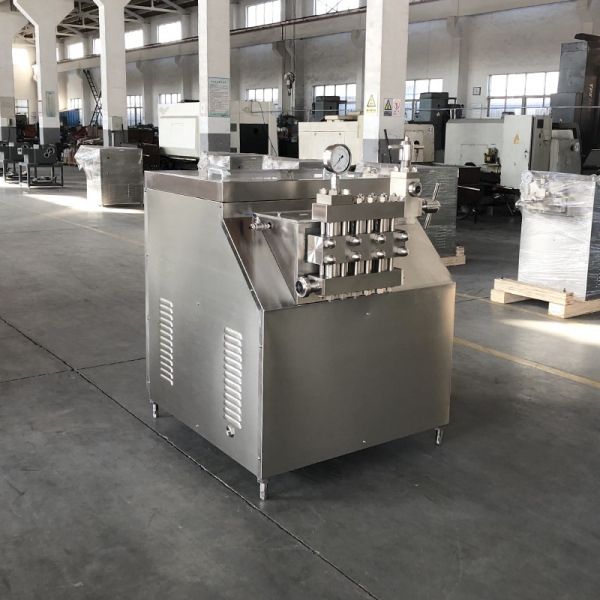
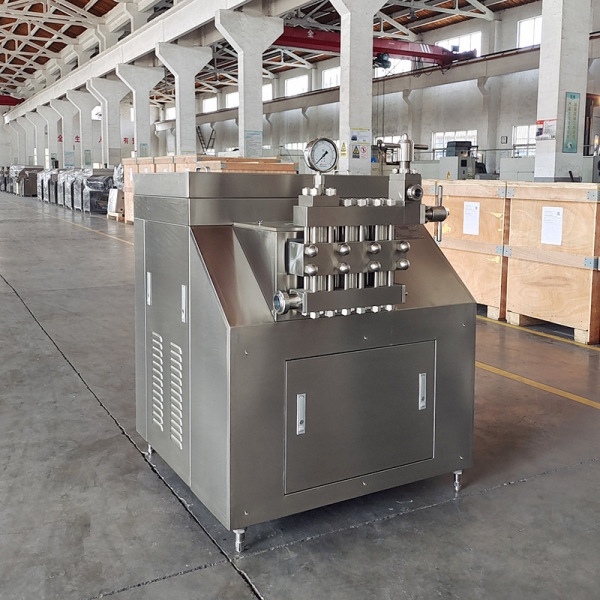
In modern manufacturing, no two formulations are exactly the same. Whether producing dairy beverages, cosmetic emulsions, pharmaceutical suspensions, or advanced nano-material dispersions, each product has its own characteristics and processing requirements. Because of these differences, standard equipment may not always provide the best results. Custom homogenization solutions allow manufacturers to tailor equipment to meet the unique needs of their formulations, ensuring optimal product quality, efficiency, and stability. Different materials behave differently during processing. Some products have high viscosity, while others may contain delicate biological components or sensitive active ingredients. In such cases, factors like pressure range, valve structure, flow rate, and temperature control must be carefully adjusted. Custom homogenization systems make it possible to fine-tune these parameters so that the process delivers the desired particle size reduction and dispersion without damaging the product.
One of the most important aspects of customized homogenization is pressure configuration. Some applications require extremely high pressure to achieve nano-level particle sizes, while others demand a gentler process to protect fragile structures such as proteins or emulsified oils. By adjusting the pressure capacity and control system, homogenizers can be adapted to match the precise processing needs of a particular formula. Flow capacity is another critical factor when designing customized equipment. Small research laboratories may need compact machines capable of processing limited batches for testing and development, while industrial manufacturers require large-capacity systems that support continuous production. Tailored homogenization solutions ensure that the machine’s flow rate aligns perfectly with the production scale, helping maintain efficiency and consistent product quality.
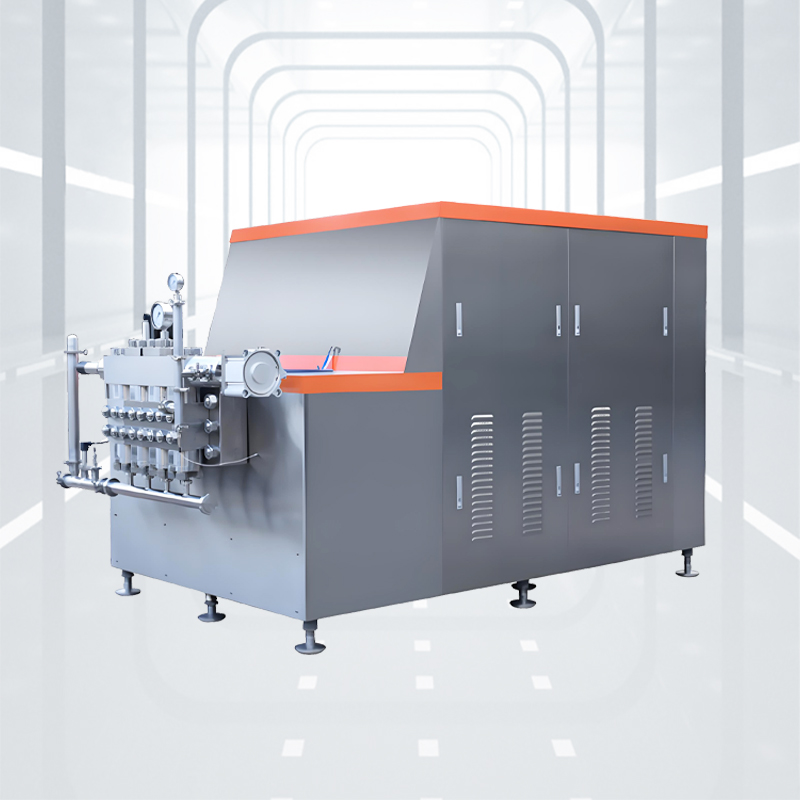
Valve design also plays a significant role in the homogenization process. The homogenizing valve determines how pressure energy is converted into particle size reduction. Different formulations may require different valve geometries to achieve optimal dispersion and emulsification. By customizing the valve structure, manufacturers can achieve better control over droplet size distribution, leading to more stable emulsions and suspensions. Material selection is another important part of equipment customization. Industries such as pharmaceuticals, biologics, and food processing often require strict hygiene standards and corrosion-resistant materials. Customized homogenizers can be manufactured using specialized alloys or stainless steel grades to ensure durability, safety, and compliance with regulatory requirements. This not only protects the equipment but also ensures that sensitive products maintain their purity and quality.
Automation and control systems can also be tailored to meet specific operational requirements. Some manufacturers prefer advanced monitoring systems that track pressure, temperature, and flow in real time. Others may require integration with automated production lines for seamless process control. Customized control features allow operators to maintain precise processing conditions and quickly adjust parameters when necessary. In addition to improving product quality, customized homogenization solutions also support long-term production efficiency. When equipment is designed specifically for a particular process, it reduces unnecessary strain on components and improves operational stability. This leads to lower maintenance costs, fewer production interruptions, and a longer equipment lifespan.
As industries continue to innovate and develop new formulations, the need for flexible processing equipment becomes increasingly important. Custom homogenization solutions provide manufacturers with the adaptability required to meet these evolving challenges. By tailoring equipment to unique formulas and production demands, companies can achieve superior results while maintaining efficiency, reliability, and product consistency.