The Role of High-Pressure Homogenization in Lipid-Based Formulations
Lipid-based formulations are widely used in the food, pharmaceutical, cosmetic, and biotechnology industries. They contain oils, fats, lipids, or other fat-soluble materials that serve different purposes, from improving product texture to carrying active ingredients. However, combining lipid materials with aqueous ingredients can create challenges related to dispersion, particle size, and physical stability. High-pressure homogenization provides an effective processing method for developing more uniform lipid-based formulations. One of the main functions of high-pressure homogenization is reducing the size of dispersed oil droplets. During processing, the formulation is forced through a specialized homogenizing valve under controlled pressure. The resulting mechanical forces help break larger droplets into smaller ones, producing a finer and more evenly distributed emulsion. This is particularly useful when manufacturers need consistent droplet characteristics across large production batches.
In food manufacturing, lipid-based formulations are important in products such as milk beverages, nutritional drinks, sauces, cream products, and oil-in-water emulsions. Uneven oil distribution can lead to separation, changes in appearance, and inconsistent mouthfeel. Homogenization helps improve the distribution of fat droplets, supporting a smoother texture and more uniform product structure. It can also help manufacturers achieve consistent results during large-scale production. The pharmaceutical industry uses lipid-based systems for a different but equally important purpose. Lipids can serve as carriers for certain active pharmaceutical ingredients, particularly compounds with limited water solubility. Formulations such as lipid emulsions, liposomes, and other lipid-based delivery systems require careful control of their physical characteristics. High-pressure homogenization can help reduce droplet or particle size and improve dispersion, although the suitability of the process depends on the specific formulation and delivery system.
Particle size distribution is a critical consideration in these applications. A formulation with a broad or inconsistent distribution may behave differently during storage, handling, or subsequent processing. High-pressure homogenization allows manufacturers to adjust processing conditions to achieve a more controlled dispersion. Pressure, flow rate, formulation composition, and the number of processing passes all influence the final result. Another important benefit is improved physical stability. Larger oil droplets in an emulsion may be more susceptible to creaming, coalescence, or other separation processes. Reducing droplet size can help slow certain forms of physical instability. However, long-term stability also depends on emulsifier selection, lipid composition, viscosity, temperature, and interactions between ingredients. Homogenization should therefore be considered part of a complete formulation strategy rather than a standalone solution.
Temperature management is especially important when processing lipid-based products. High-pressure homogenization can generate heat, potentially affecting the physical properties of certain lipids and the stability of temperature-sensitive active ingredients. Some lipid systems may undergo structural changes when exposed to different temperatures. Monitoring product temperature and introducing suitable cooling measures can help maintain the desired formulation characteristics. The cosmetic industry also benefits from this technology. Creams, lotions, serums, and other skincare products frequently contain oils, waxes, and lipid-soluble functional ingredients. Proper homogenization helps distribute these materials more evenly, contributing to consistent texture and appearance. A well-controlled process can also support the development of finer emulsions for products with specific sensory and formulation requirements.
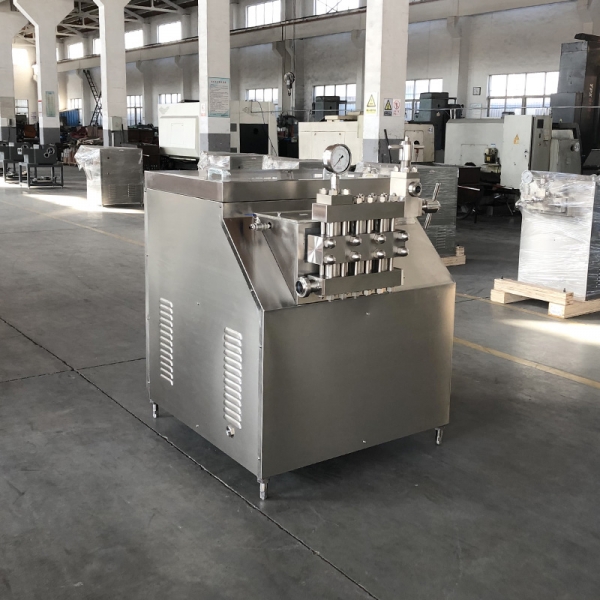
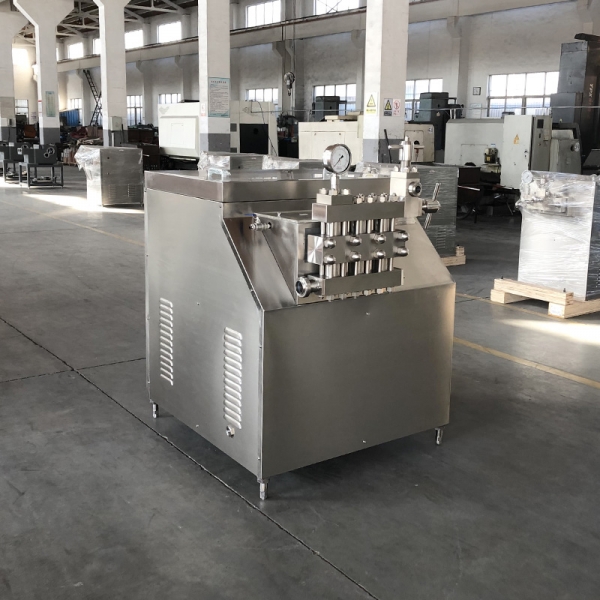
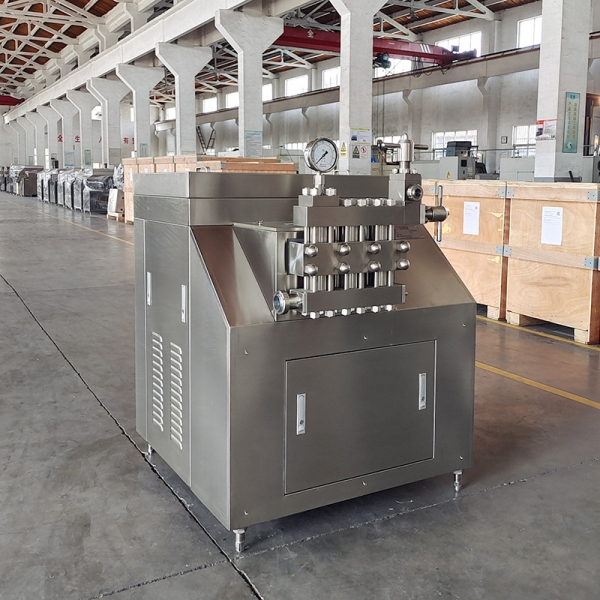
Selecting suitable processing conditions requires an understanding of the lipid materials being used. Different oils, fats, emulsifiers, and active ingredients respond differently to pressure and temperature. Manufacturers should evaluate formulation viscosity, required droplet size, processing capacity, and ingredient sensitivity before establishing operating parameters. Laboratory testing and pilot-scale trials can help identify suitable conditions before full-scale production begins. Equipment quality also influences the reliability of lipid processing. Stable pressure, consistent flow, suitable wetted materials, and dependable homogenizing components are important for maintaining repeatable results. Changzhou Chaoli Homogenizer Factory, established in 1992, specializes in the development and manufacturing of high-pressure homogenizers for food and cosmetics, pharmaceutical engineering, biologics, and nano-material applications. Its product range includes models 3011, 3015, 3030, 3045, 3090, and 4110, offering different options for industrial processing requirements.
As demand for advanced lipid-based products continues to develop, manufacturers need processing equipment that can handle increasingly complex formulations. High-pressure homogenization provides a practical way to control droplet size, improve dispersion, and support consistent product characteristics. When combined with suitable formulation design, temperature management, and quality testing, this technology can help manufacturers achieve reliable results across a wide range of lipid-based applications.