How to Handle High-Viscosity Materials in Homogenization
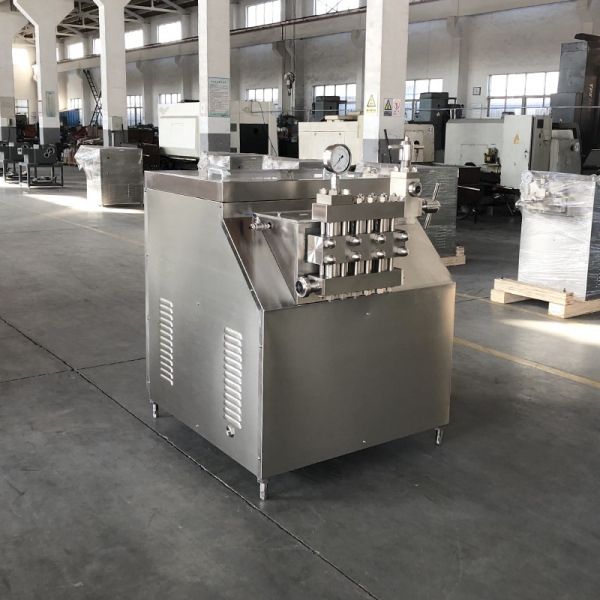
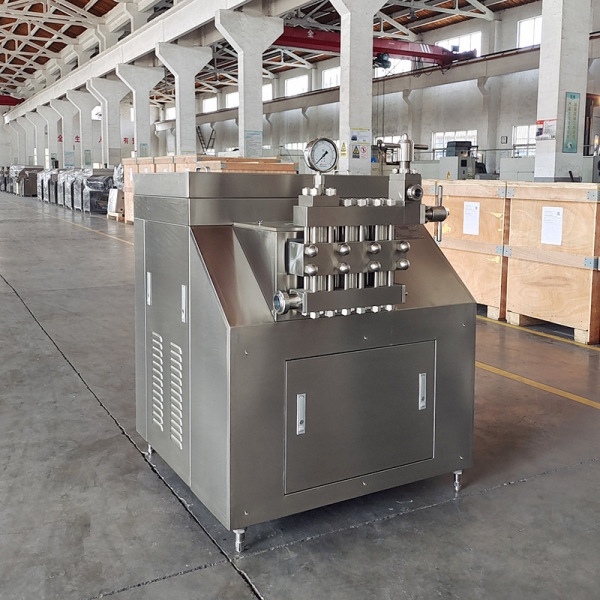
Processing high-viscosity materials is one of the more demanding challenges in homogenization. Products such as creams, pastes, concentrated sauces, polymer solutions, and certain pharmaceutical or cosmetic formulations resist flow and require greater force to achieve proper dispersion. Without the right approach, manufacturers may face inconsistent results, excessive wear on equipment, or reduced production efficiency. With proper techniques and well-designed high-pressure homogenizers, these challenges can be effectively managed. The first step in handling high-viscosity materials is understanding their flow behavior. Unlike low-viscosity liquids, thick formulations do not move easily through pipes and valves. This creates higher resistance inside the homogenizer, requiring stable pressure and sufficient mechanical strength. Equipment designed with robust plungers, reinforced pump heads, and optimized valve structures ensures that the system can handle the increased load without performance loss.
Pre-treatment of materials often plays a critical role in successful homogenization. In many cases, slightly reducing viscosity before processing can significantly improve flow and efficiency. This can be achieved through controlled heating, dilution with compatible liquids, or pre-mixing to eliminate large agglomerates. By preparing the material properly, manufacturers reduce strain on the homogenizer and achieve more uniform results. Temperature control is especially important when working with viscous products. Increasing temperature can lower viscosity and improve flow characteristics, allowing the material to pass through the homogenizing valve more easily. However, this must be carefully managed to avoid damaging heat-sensitive ingredients. Modern homogenization systems often integrate temperature monitoring and cooling options to maintain optimal processing conditions.

Pressure adjustment is another key factor. High-viscosity materials may require higher operating pressure to achieve effective particle size reduction and dispersion. However, simply increasing pressure without proper control can lead to excessive wear or energy consumption. The ideal approach is to optimize pressure levels based on the material’s characteristics, ensuring efficient homogenization while maintaining equipment longevity. Flow rate management is equally important. Thick materials typically move more slowly through the system, so adjusting flow rates helps maintain stable operation. Slower, controlled flow allows sufficient time for mechanical forces such as shear and turbulence to act on the material, improving dispersion quality. Consistent flow also prevents blockages and reduces the risk of uneven processing.
Valve design plays a significant role in handling viscous products. Specialized homogenizing valves can be configured to manage higher resistance and deliver effective energy transfer. The right valve geometry ensures that even thick formulations are processed evenly, resulting in a smooth and stable final product. Selecting appropriate valve settings or configurations is essential for achieving optimal results. Regular maintenance is particularly important when processing high-viscosity materials. Thicker products can increase wear on seals, valves, and other critical components. Routine inspection and timely replacement of wear parts help maintain performance and prevent unexpected downtime. Equipment built with durable, wear-resistant materials further supports long-term reliability under these demanding conditions.
Finally, process optimization is key to achieving consistent results. Every high-viscosity product has unique characteristics, and small adjustments in pressure, temperature, or flow rate can make a significant difference. Careful testing and gradual optimization allow manufacturers to identify the most efficient operating conditions for their specific formulations. Handling high-viscosity materials in homogenization requires a combination of proper preparation, advanced equipment, and precise control. With the right strategy and well-engineered systems, manufacturers can achieve smooth dispersion, stable formulations, and efficient production. By addressing the challenges of viscosity effectively, homogenization continues to deliver high-quality results even in the most demanding applications.