ROI Analysis: Investing in High-Pressure Homogenization Equipment
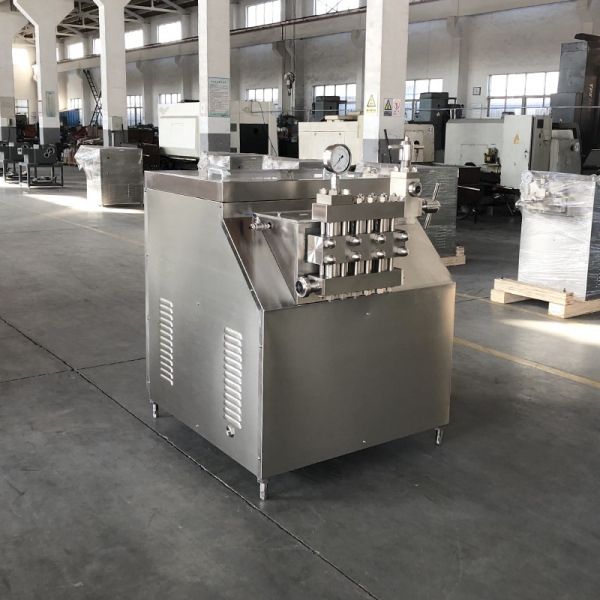
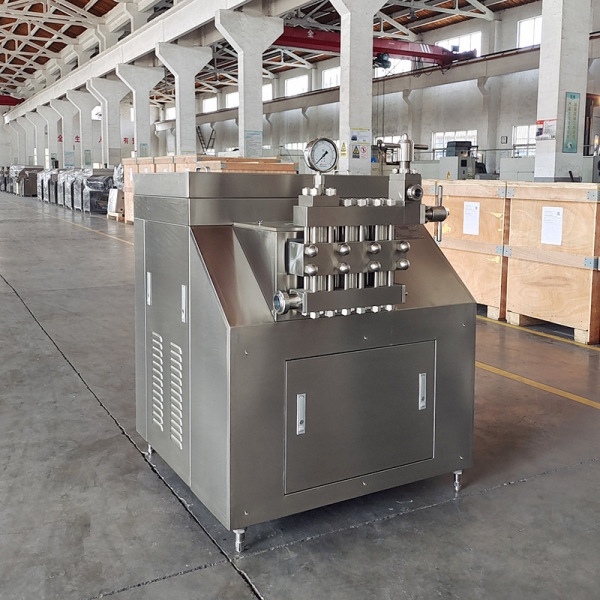
Investing in high-pressure homogenization equipment is a strategic decision that can significantly influence a company’s production efficiency, product quality, and long-term profitability. While the initial investment may appear substantial, a well-executed ROI (Return on Investment) analysis often reveals that homogenizers deliver strong financial returns through cost savings, improved yields, and enhanced market competitiveness. For manufacturers in industries such as food, beverages, pharmaceuticals, cosmetics, and chemicals, understanding this return is essential for making informed equipment decisions. The first factor in ROI evaluation is initial capital investment. High-pressure homogenizers require a higher upfront cost compared to traditional mixing equipment due to their advanced engineering and precision components. However, this investment includes durable construction, high-performance capabilities, and long service life. When amortized over years of continuous production, the cost per unit of output becomes highly competitive, especially in high-volume operations.
One of the most significant contributors to ROI is improved product yield. Efficient homogenization ensures that raw materials are fully utilized, reducing waste and minimizing batch rejection. Inconsistent mixing can lead to separation, uneven texture, or product instability, often requiring reprocessing or disposal. By producing uniform and stable formulations in a single pass, high-pressure homogenizers reduce losses and increase the amount of sellable product from each batch. Reduced ingredient costs also play a major role in improving ROI. When particles are finely dispersed and emulsions are stabilized effectively, manufacturers can often reduce the use of additives such as stabilizers, emulsifiers, and thickeners. This is particularly beneficial in industries where these ingredients are expensive or where clean-label formulations are desired. Better dispersion allows formulations to achieve the same or improved performance with fewer inputs.
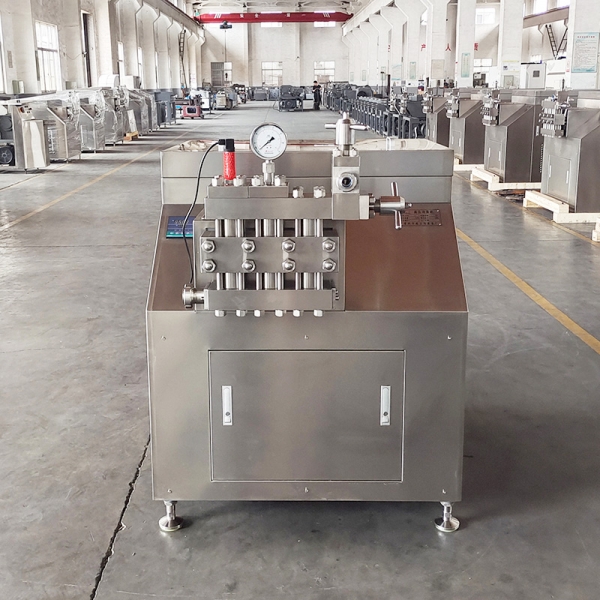
Another important factor is production efficiency. High-pressure homogenizers operate in continuous flow, significantly reducing processing time compared to traditional mixing methods that require multiple steps or repeated cycles. Faster processing means higher throughput, enabling manufacturers to produce more within the same time frame. This increased capacity allows businesses to meet growing demand without expanding their production footprint. Maintenance and operational costs must also be considered in ROI calculations. While homogenizers operate under high pressure, modern designs—such as those from Chaoli—are built with wear-resistant components and optimized mechanical structures. This reduces the frequency of part replacement and minimizes downtime. Reliable operation leads to fewer disruptions, lower maintenance expenses, and better overall equipment utilization.
Energy efficiency is another key contributor to long-term returns. Although high-pressure systems consume power, they often complete processing more quickly and efficiently than traditional equipment. By reducing processing time and eliminating additional steps, homogenizers can lower the total energy consumed per unit of product, contributing to reduced operating costs over time. Beyond direct cost savings, product quality improvements also impact ROI. Superior texture, stability, and consistency enhance customer satisfaction and brand reputation. Products that maintain quality over longer shelf life reduce returns and complaints while improving market acceptance. In competitive industries, higher-quality products can command better pricing, further increasing profitability.
Scalability adds another dimension to ROI. High-pressure homogenizers support seamless transition from laboratory development to industrial production. This reduces the need for additional equipment investment when scaling up and ensures consistent product performance across all production levels. The ability to grow without major process changes provides long-term financial advantages. Finally, ROI is influenced by market positioning and innovation capability. Companies equipped with advanced homogenization technology can develop new products, improve existing formulations, and respond quickly to changing market trends. This flexibility creates opportunities for expansion into new segments, strengthening overall business performance.
In conclusion, while the initial investment in high-pressure homogenization equipment may be higher than traditional alternatives, the long-term returns are substantial. Through improved yield, reduced waste, lower ingredient costs, enhanced efficiency, and superior product quality, homogenizers provide a strong financial advantage. For manufacturers aiming to optimize production and remain competitive, investing in high-pressure homogenization is not just a cost—it is a strategic move toward sustainable profitability and growth.