Best Practices for Cleaning and Sanitizing Homogenization Equipment
Proper cleaning and sanitizing of homogenization equipment are essential for maintaining product quality, ensuring operational efficiency, and extending equipment lifespan. In industries such as food and beverages, pharmaceuticals, biologics, cosmetics, and chemical processing, even small amounts of residue or contamination can affect product consistency and safety. Following effective cleaning and sanitizing practices helps manufacturers meet regulatory requirements while protecting both their products and equipment investments. The first step in effective cleaning is establishing a routine cleaning schedule. Homogenizers should be cleaned immediately after production whenever possible. Allowing product residues to remain inside the system for extended periods can make cleaning more difficult and increase the risk of bacterial growth, contamination, or material buildup. A well-planned cleaning schedule helps maintain consistent hygiene standards and prevents production interruptions.
Before beginning any cleaning procedure, the equipment should be safely shut down and depressurized. High-pressure homogenizers operate under extreme conditions, making safety a top priority. Operators should follow manufacturer guidelines to ensure all pressure is released and moving components have stopped before disassembly or cleaning begins. A pre-rinse is typically the first stage of the cleaning process. Warm water is circulated through the system to remove loose product residues from pipelines, valves, pump heads, and other internal surfaces. This initial rinse reduces the amount of material that must be removed during subsequent cleaning stages and improves overall cleaning effectiveness.
After rinsing, a suitable cleaning solution should be used to remove remaining residues. The choice of cleaning agent depends on the product being processed. Food and beverage applications often require alkaline detergents to remove proteins and fats, while pharmaceutical and cosmetic products may require specialized cleaning formulations. Selecting the appropriate cleaning chemical ensures efficient removal of contaminants without damaging equipment surfaces. Cleaning-In-Place (CIP) systems are widely used in modern homogenization operations. CIP technology allows cleaning solutions to circulate automatically through the equipment without requiring extensive disassembly. This approach reduces labor requirements, improves cleaning consistency, and minimizes downtime. Properly designed CIP procedures ensure that all product-contact surfaces receive adequate cleaning coverage.
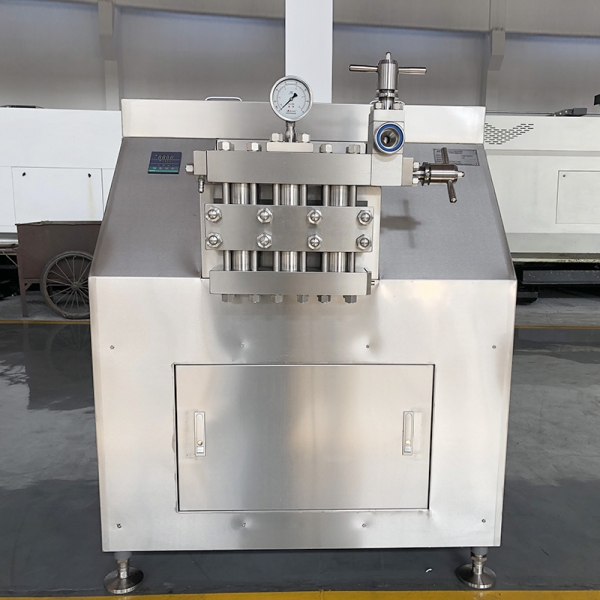
Sanitizing is an important step following the cleaning process. While cleaning removes visible residues, sanitization reduces microbial contamination to acceptable levels. Depending on industry requirements, sanitization may involve hot water, steam, or approved chemical sanitizers. The selected method should effectively eliminate microorganisms while remaining compatible with equipment materials. Particular attention should be given to critical components such as homogenizing valves, seals, plungers, and pump heads. These areas experience high pressure and direct product contact, making them more susceptible to residue accumulation. Regular inspection and thorough cleaning of these components help maintain performance and reduce the risk of contamination.
Water quality also plays a significant role in effective cleaning. Using clean, filtered, or purified water helps prevent mineral deposits and contamination during rinsing and sanitization. In pharmaceutical and biologics applications, water quality standards are especially strict and must comply with industry regulations. After cleaning and sanitizing, equipment should be inspected carefully before returning to production. Visual inspections help identify any remaining residues, while verification procedures such as swab testing or microbiological testing may be used in highly regulated industries. Confirming cleaning effectiveness helps ensure product safety and process reliability.
Proper staff training is another key element of successful equipment sanitation. Operators should understand cleaning procedures, safety requirements, chemical handling practices, and inspection methods. Well-trained personnel are more likely to perform cleaning consistently and identify potential issues before they affect production. Documentation is equally important, particularly in regulated industries. Maintaining detailed records of cleaning schedules, chemicals used, sanitization procedures, and inspection results supports quality assurance programs and regulatory compliance. Accurate records also provide valuable information for troubleshooting and continuous improvement efforts.