Global Demand Trends for Homogenization Technology in Emerging Markets
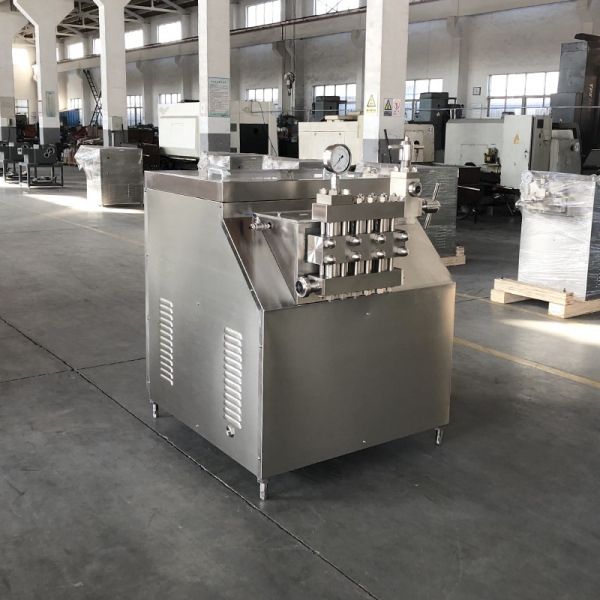
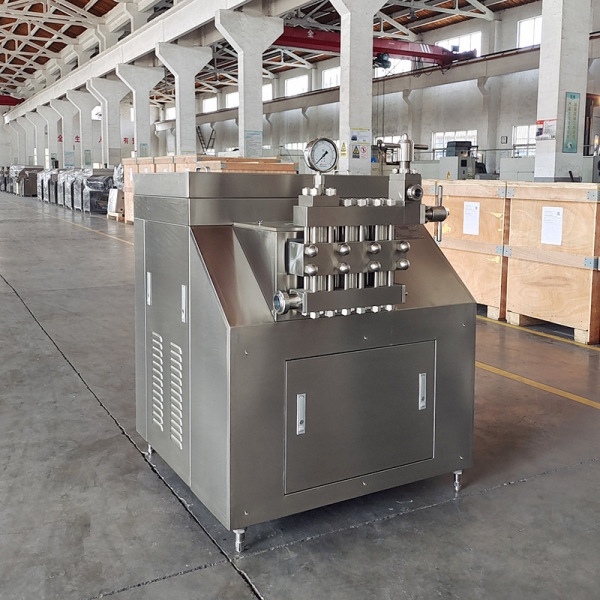
The global demand for homogenization technology has grown rapidly in recent years, particularly in emerging markets where industrial expansion, urbanization, and changing consumer preferences are driving manufacturing development. Industries such as food and beverages, pharmaceuticals, cosmetics, biotechnology, and chemicals increasingly rely on high-pressure homogenizers to improve product quality, production efficiency, and process stability. As developing economies continue to modernize their manufacturing capabilities, homogenization technology is becoming an essential part of industrial growth. One of the strongest drivers of demand is the rapid expansion of the food and beverage industry in emerging economies. Rising incomes, population growth, and urban lifestyles have increased consumer demand for processed foods, dairy products, plant-based beverages, sauces, and ready-to-drink products. To meet these expectations, manufacturers require advanced processing equipment capable of delivering smooth texture, stable emulsions, and consistent quality. High-pressure homogenizers provide the performance needed to support large-scale modern food production.
The pharmaceutical and biologics sectors are also contributing significantly to market growth. Many emerging countries are investing heavily in healthcare infrastructure and local pharmaceutical manufacturing to reduce dependence on imports. Homogenization technology is widely used in drug suspensions, injectable formulations, vaccine production, and biologics processing. As these industries expand, the demand for reliable and precise homogenization systems continues to increase. Another important trend is the growing popularity of cosmetics and personal care products in developing markets. Consumers are increasingly seeking premium skincare, beauty, and wellness products with improved texture and performance. Cosmetic manufacturers use homogenizers to create stable creams, lotions, and emulsions with fine particle distribution and smooth consistency. This rising demand for high-quality cosmetic products is creating new opportunities for homogenization equipment suppliers.
Emerging markets are also experiencing rapid industrialization in sectors such as chemicals, coatings, nano-materials, and specialty materials. These industries require precise particle dispersion and stable formulations for advanced applications. High-pressure homogenizers are becoming increasingly important for producing nano-emulsions, chemical suspensions, and specialty industrial formulations with consistent quality. Technology modernization is another factor driving global demand trends. Many manufacturers in emerging economies are upgrading from traditional mixing methods to advanced homogenization systems in order to improve productivity and compete internationally. Modern homogenizers offer advantages such as better energy efficiency, stable pressure performance, lower noise levels, and improved automation capabilities. These features help manufacturers meet higher quality standards while reducing operational costs.
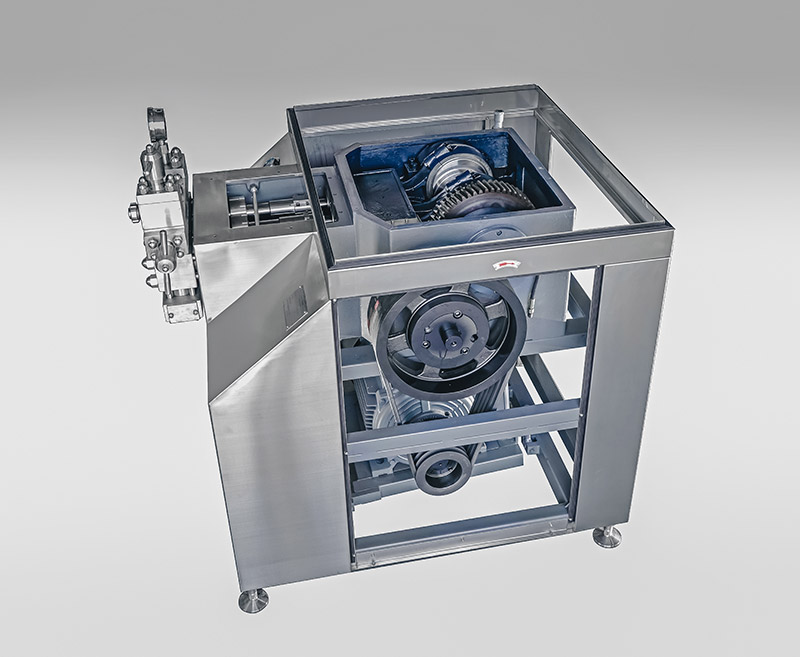
Government policies and industrial investment programs are further supporting market growth. In many developing countries, governments are encouraging local manufacturing, food safety improvements, pharmaceutical production, and export-oriented industrial development. Investments in industrial infrastructure and advanced processing technologies create favorable conditions for homogenization equipment adoption. Sustainability and efficiency are becoming increasingly important across global industries. Manufacturers in emerging markets are seeking technologies that reduce waste, improve raw material utilization, and lower energy consumption. High-pressure homogenization supports these goals by enhancing ingredient efficiency, reducing reprocessing requirements, and improving overall production stability.
At the same time, competition among manufacturers is increasing, pushing companies to improve product quality and innovation. Homogenization technology enables businesses to create premium products with better texture, stability, and shelf life, helping them differentiate themselves in crowded markets. This competitive pressure further accelerates investment in advanced processing equipment. Looking ahead, the demand for homogenization technology in emerging markets is expected to continue growing as industries become more sophisticated and consumer expectations rise. Companies that invest in modern homogenization systems will be better positioned to improve efficiency, maintain consistent quality, and compete in both domestic and international markets.
As global manufacturing continues to evolve, high-pressure homogenization is becoming more than just a processing tool—it is a strategic technology supporting industrial modernization, product innovation, and long-term economic growth across emerging economies.