How Homogenization Supports Modern Drug Delivery Systems
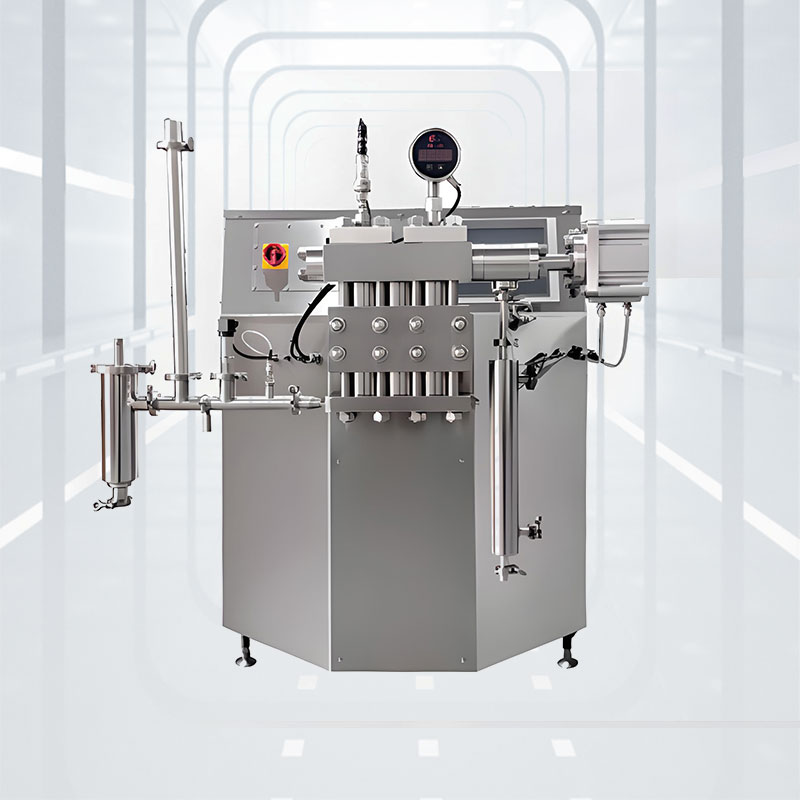
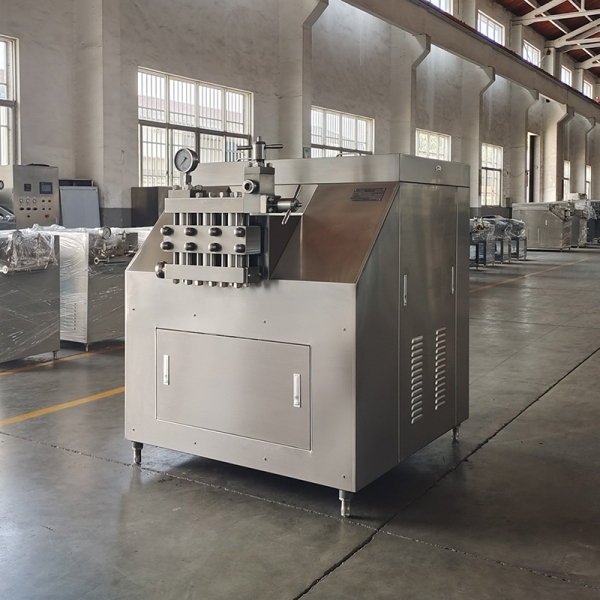
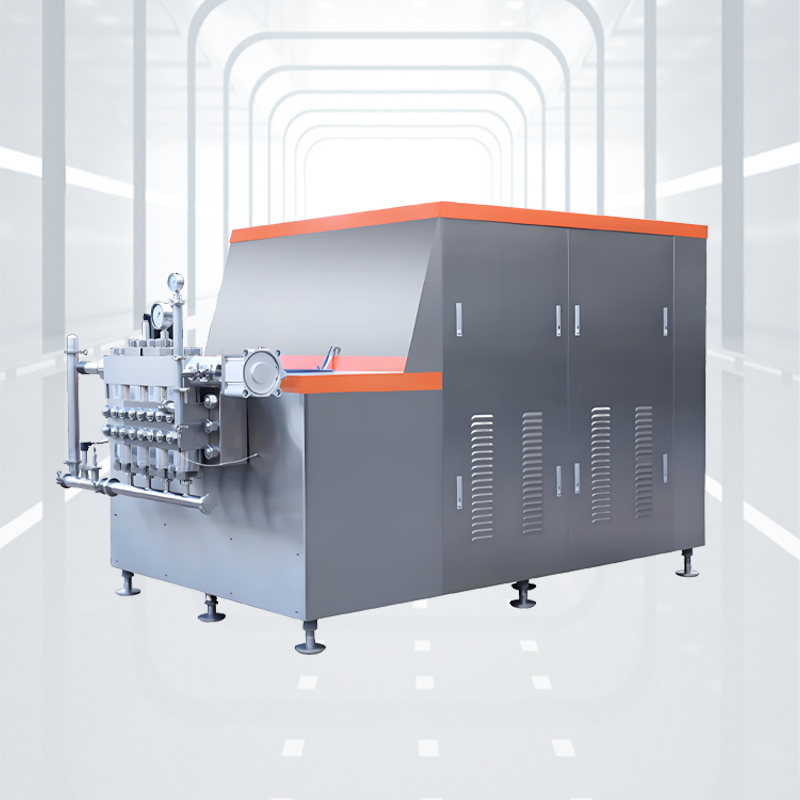
Modern drug delivery systems increasingly depend on precise control of particle size, formulation stability, and ingredient distribution. As pharmaceutical research moves toward more sophisticated formulations, conventional mixing methods may not provide the level of control required. High-pressure homogenization offers an effective processing approach for producing fine emulsions, suspensions, and nano-scale dispersions used in various drug delivery applications. One of the most important contributions of homogenization is particle size reduction. During high-pressure processing, pharmaceutical formulations pass through a specialized homogenizing valve at controlled pressure. Intense shear, turbulence, and cavitation forces break down larger particles and droplets into smaller structures. This can help manufacturers achieve more uniform particle distributions and improve the physical stability of certain formulations.
Particle size can significantly influence how a drug formulation behaves. Smaller and more consistently distributed particles may provide greater surface area and can support improved dissolution characteristics for poorly water-soluble active pharmaceutical ingredients. By controlling particle size during processing, manufacturers can develop formulations with more predictable physical properties and potentially improve the efficiency of drug delivery. Homogenization is also valuable in the production of nano-emulsions. These systems contain extremely small droplets dispersed throughout another liquid phase and are being investigated for applications such as controlled delivery of active pharmaceutical ingredients. High-pressure homogenization provides the mechanical energy needed to create fine and relatively uniform droplets, while formulation components help maintain their stability after processing.
Lipid-based drug delivery systems are another important application area. Certain pharmaceutical formulations use lipid particles or emulsions to carry active ingredients. Homogenization can help reduce the size of lipid structures and produce more uniform dispersions. This makes high-pressure processing useful during the development and manufacture of various lipid-based formulations. The technology can also support the production of liposomes and related delivery systems. Liposomes are microscopic vesicles capable of encapsulating certain active ingredients within their internal aqueous phase or lipid membranes. Homogenization and related high-pressure processing techniques can contribute to controlling vesicle characteristics and improving dispersion uniformity, depending on the formulation and process design.
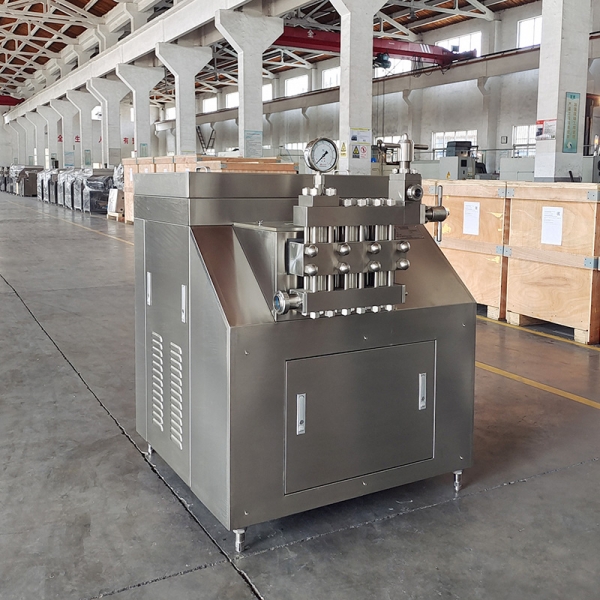
For injectable pharmaceutical products, consistency is particularly important. Suspended particles must remain appropriately distributed to support uniform dosing and product stability. Properly optimized homogenization can improve the uniformity of suitable suspension formulations, although sterile processing, formulation compatibility, and regulatory requirements must also be carefully controlled. Homogenization can additionally help improve formulation stability. When droplets or particles are reduced to an appropriate size and distributed evenly, the tendency toward sedimentation, creaming, or phase separation may be reduced. This is especially valuable for formulations that need to maintain their physical characteristics throughout storage and transportation.
Process control is another major advantage of modern homogenization systems. Pressure, temperature, flow rate, and processing cycles can be carefully controlled to achieve repeatable results. For pharmaceutical manufacturers, this consistency is essential because small differences between batches can influence formulation characteristics and overall product quality. The technology also supports pharmaceutical research and scale-up. Formulations can be evaluated at laboratory or pilot scale before moving toward larger production systems. Establishing suitable homogenization conditions during development can make the transition to industrial production more predictable and help manufacturers maintain similar processing behavior as batch sizes increase.
However, homogenization is not a universal solution for every drug delivery system. The optimal process depends on the active ingredient, excipients, viscosity, desired particle size, temperature sensitivity, and final dosage form. Excessive mechanical energy can also be unsuitable for certain sensitive formulations. Therefore, pressure and processing conditions should always be established through appropriate formulation and process development. As pharmaceutical technology advances toward more sophisticated delivery platforms, precise particle engineering will become increasingly important. High-pressure homogenization provides manufacturers and researchers with a versatile tool for producing controlled dispersions, emulsions, and other formulation structures. With appropriate equipment design and process optimization, homogenization can contribute to the development of more consistent, stable, and efficient modern drug delivery systems.