Why Choosing an Experienced Homogenizer Manufacturer Creates Long-Term Value
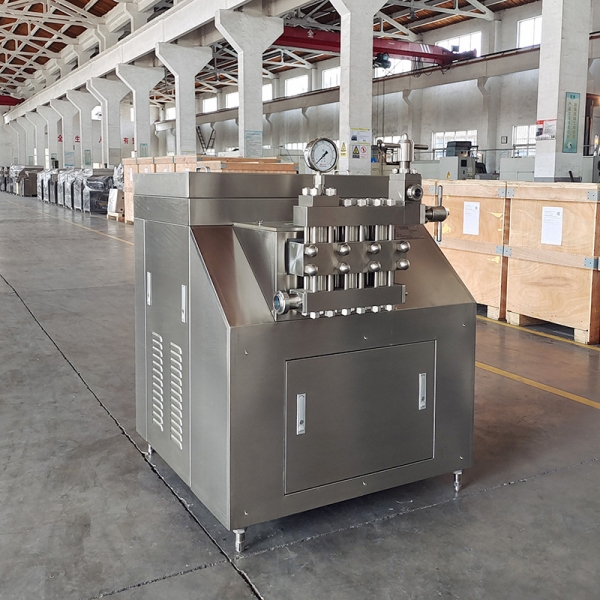
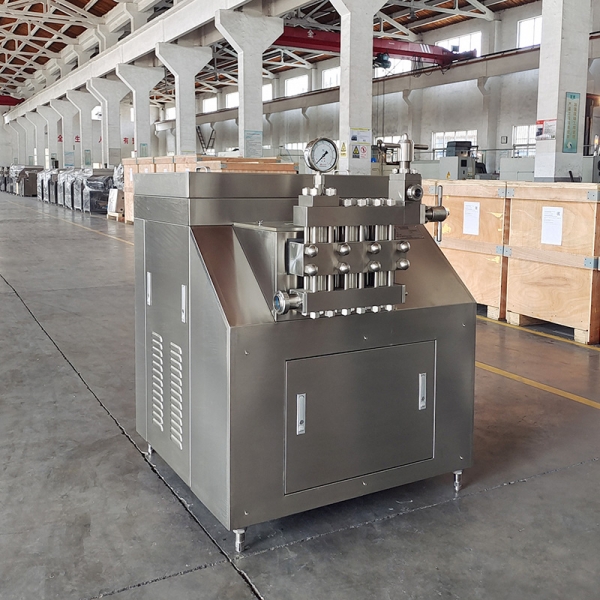
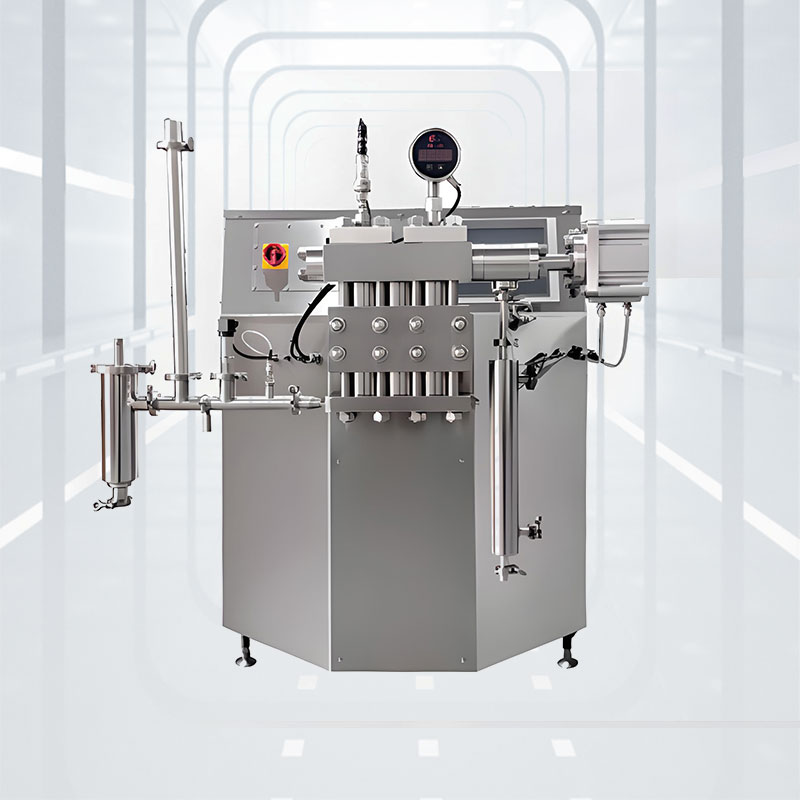
Choosing a high-pressure homogenizer is an important investment for manufacturers in food and beverages, pharmaceuticals, cosmetics, biologics, chemicals, and nano-material processing. While equipment price is often one of the first factors considered, the long-term value of a homogenizer depends on much more than its initial purchase cost. Working with an experienced homogenizer manufacturer can provide advantages in equipment reliability, process optimization, technical support, maintenance, and future production development. An experienced manufacturer brings years of practical knowledge to equipment design and production. Homogenization performance depends on many factors, including pressure, flow rate, valve configuration, material properties, particle characteristics, and processing temperature. A manufacturer with extensive experience can better understand these variables and recommend equipment that matches the customer's actual application instead of providing a standard machine without considering specific production requirements.
Equipment reliability is another major advantage. High-pressure homogenizers operate under demanding conditions, placing significant stress on pumps, valves, seals, plungers, and other critical components. Experienced manufacturers understand where these stresses occur and can select appropriate materials and engineering solutions to improve durability. Better component quality can reduce unexpected failures and help manufacturers maintain stable production over a longer period. Manufacturing precision also contributes directly to long-term value. Components such as homogenizing valves and pump parts require accurate machining and proper assembly to maintain stable pressure and consistent processing. An experienced manufacturer is more likely to have established production procedures, inspection standards, and quality-control practices that help ensure equipment performs according to its intended specifications.
Application expertise is equally important. Different formulations require different homogenization conditions. A beverage manufacturer may prioritize texture and emulsion stability, while a pharmaceutical producer may require precise particle-size control. Cosmetic formulations can have high viscosity, whereas biologics may involve sensitive materials. An experienced supplier can evaluate these differences and help customers determine suitable pressure, capacity, and equipment configurations. Technical support is another factor that becomes increasingly valuable after installation. Even reliable equipment may require process adjustments, maintenance, or troubleshooting during its operating life. A knowledgeable manufacturer can provide installation guidance, operating recommendations, maintenance instructions, and technical assistance when problems occur. Quick and effective support can reduce downtime and protect production schedules.
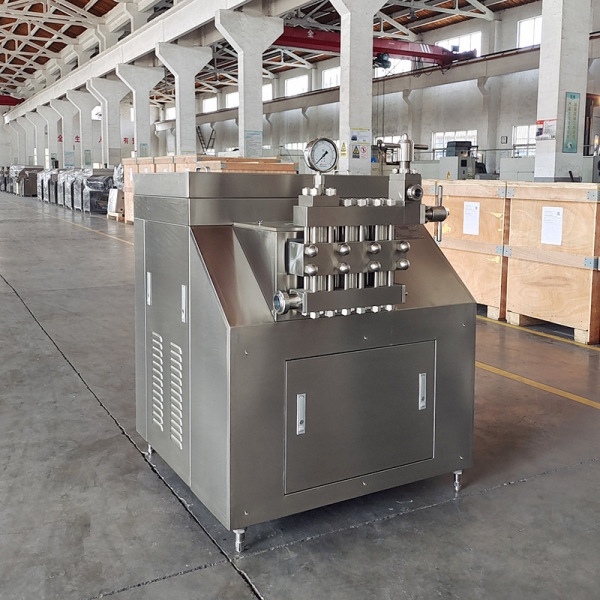
Spare-parts availability should also be considered when evaluating long-term value. High-pressure homogenizers contain wear components that eventually require replacement. An established manufacturer with a stable product range can provide compatible replacement parts and technical guidance, helping customers maintain equipment performance without unnecessary delays. An experienced manufacturer can also support future expansion. Production volumes may increase, formulations may change, or manufacturers may introduce new products. A supplier familiar with the customer's processing requirements can recommend equipment upgrades, additional models, or customized solutions as production needs develop. This creates a more flexible path for long-term business growth.
Cost should therefore be evaluated from a total-cost-of-ownership perspective rather than focusing only on the initial purchase price. A low-cost homogenizer may appear attractive initially, but frequent maintenance, unstable operation, inefficient processing, or limited technical support can increase expenses over time. Reliable equipment with appropriate engineering can provide better value through reduced downtime, longer service life, and consistent production. For Changzhou Chaoli Homogenizer Factory, experience in homogenizer R&D, manufacturing, sales, and customer service provides a foundation for serving different industrial applications. Established in 1992 and operating from a factory covering more than 13,000 square meters, Chaoli develops high-pressure homogenizers for applications including nano-materials, biologics, food and cosmetics, and pharmaceutical engineering. Its product range includes models such as the 3011, 3015, 3030, 3045, 3090, and 4110.
Ultimately, choosing an experienced homogenizer manufacturer is about building a reliable foundation for production rather than simply purchasing equipment. Technical expertise, manufacturing precision, durable components, application knowledge, after-sales support, and future scalability can all contribute to better long-term performance. For manufacturers planning to operate their homogenization systems for many years, the experience and capabilities of the equipment supplier can be just as important as the machine's specifications.