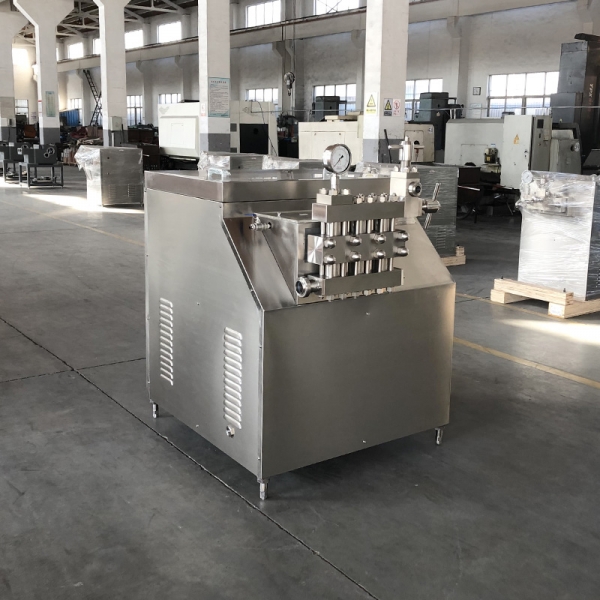
What Factors Should Be Considered When Selecting Homogenizer Wetted Materials?
When selecting a high-pressure homogenizer, manufacturers often focus on processing pressure, flow rate, production capacity, and equipment performance. However, the materials used for components that come into direct contact with the product are equally important. These wetted materials influence equipment durability, product compatibility, cleaning efficiency, and long-term operating costs. Choosing suitable materials is therefore essential for maintaining reliable homogenization across different industrial applications. One of the first considerations is the chemical compatibility of the processed material. Different products contain different chemical ingredients, including acids, alkalis, salts, oils, solvents, and cleaning agents. Some substances may react with certain metals or gradually damage protective surfaces. Manufacturers should evaluate the complete formulation and identify any ingredients that could cause corrosion, chemical degradation, or unwanted material interactions.
Corrosion resistance is particularly important in food, beverage, pharmaceutical, and cosmetic production. Products with acidic or alkaline characteristics may create challenging processing environments, especially when equipment is exposed to these materials for extended periods. Stainless steel is commonly selected for product-contact components because certain grades offer good corrosion resistance and are suitable for many hygienic processing applications. However, the appropriate grade depends on the actual product composition and operating environment. Operating pressure is another important factor. High-pressure homogenizers work under demanding mechanical conditions, and their wetted components must withstand repeated pressure cycles without excessive deformation or premature failure. Materials used in pump heads, homogenizing valves, and other pressure-bearing areas need suitable mechanical strength and fatigue resistance. Selecting materials based only on corrosion resistance without considering pressure requirements may lead to poor long-term performance.
Wear resistance also deserves attention. During homogenization, products pass through restricted flow passages under high pressure. Formulations containing solid particles, minerals, or abrasive materials can gradually wear internal surfaces. Components with appropriate hardness and wear resistance can help maintain their original dimensions and processing characteristics for longer. This is particularly important for homogenizing valves and other parts exposed to intense fluid forces. Product hygiene and contamination prevention are essential in sensitive industries. In pharmaceutical and food manufacturing, product-contact materials should be suitable for the required hygiene standards and cleaning procedures. Rough surfaces, damaged coatings, or unsuitable materials may create areas where product residues accumulate. Proper surface finishing and compatible material selection help support effective cleaning and reduce the risk of cross-contamination.
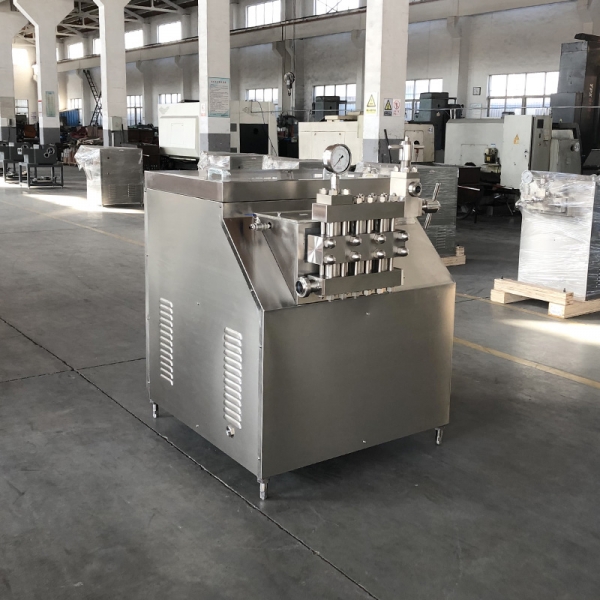
The cleaning and sanitation process should be considered before choosing wetted materials. Many production facilities use cleaning-in-place systems involving hot water, alkaline solutions, acidic cleaners, or other cleaning chemicals. Repeated exposure to these conditions can affect certain materials over time. Manufacturers should confirm that the selected materials can withstand both normal production conditions and the cleaning procedures used at their facilities. Temperature resistance is another consideration because product temperatures may change during processing and cleaning. High-pressure homogenization can generate heat, while some applications also involve heating or cooling before and after homogenization. Materials should maintain their mechanical and chemical properties within the expected temperature range. Thermal expansion and repeated temperature changes should also be considered when evaluating component durability.
The characteristics of the processed product can further influence material selection. Low-viscosity beverages, high-solid suspensions, cosmetic emulsions, and pharmaceutical formulations place different demands on equipment. Some products require excellent corrosion resistance, while others place greater emphasis on abrasion resistance or hygienic surface properties. Understanding the material's viscosity, particle content, chemical composition, and processing temperature helps manufacturers identify suitable wetted components. Another factor is the potential for material interaction with the finished product. In certain applications, even small amounts of metal release or surface contamination may affect product quality, appearance, or stability. This is particularly important when processing sensitive pharmaceutical ingredients, biological materials, and high-purity formulations. Manufacturers should evaluate material suitability according to the product's quality requirements and applicable industry standards.
Maintenance requirements and replacement costs should also be included in the selection process. A material with excellent initial performance may not always provide the best long-term value if replacement components are expensive or difficult to obtain. Manufacturers should consider expected wear rates, inspection requirements, spare-part availability, and the cost of equipment downtime. Choosing appropriate materials from the beginning can help reduce unnecessary maintenance and production interruptions. For manufacturers investing in high-pressure homogenization equipment, material selection should be discussed with an experienced equipment supplier. Changzhou Chaoli Homogenizer Factory, established in 1992, specializes in homogenizer research, development, and manufacturing. Its product range includes models 3011, 3015, 3030, 3045, 3090, and 4110, serving applications in food and cosmetics, pharmaceutical engineering, biologics, and nano-material processing. Matching wetted materials to the actual formulation and operating environment is an important part of selecting suitable equipment.
Ultimately, selecting homogenizer wetted materials involves balancing chemical compatibility, mechanical strength, corrosion resistance, wear resistance, hygiene, temperature tolerance, and maintenance costs. There is no single material that is ideal for every application. By carefully evaluating product characteristics and production conditions, manufacturers can choose more suitable equipment configurations, protect product quality, and improve the long-term reliability of their homogenization systems.