How to Build an Effective Spare Parts Management Strategy for Homogenization Equipment
For manufacturers operating high-pressure homogenizers, spare parts management is an important part of maintaining production continuity. Components such as homogenizing valves, valve seats, seals, plungers, and other wear parts are exposed to repeated pressure cycles and demanding processing conditions. When these components require replacement, having the correct parts available can make the difference between a short maintenance stop and an extended production interruption. An effective spare parts strategy begins with understanding how the homogenizer operates and which components are most likely to require attention. Not every part needs to be stored in large quantities. Instead, manufacturers should identify components according to their function, expected wear rate, replacement frequency, and potential impact on production if they fail. This approach helps avoid both unnecessary inventory costs and shortages of critical parts.
The first step is to create a detailed spare parts inventory for each homogenizer model. Equipment manuals, supplier recommendations, and maintenance records can provide a useful starting point. Each part should have a clear description, specification, equipment model, and identification number. Accurate records reduce the risk of ordering incompatible components and make it easier for maintenance teams to locate the correct replacement when needed. Wear parts deserve particular attention because they are directly involved in maintaining homogenization performance. Valves, valve seats, seals, and plungers may gradually deteriorate under continuous operation. Their service intervals can vary depending on operating pressure, product characteristics, processing hours, and maintenance practices. Tracking replacement history helps manufacturers estimate future requirements more accurately.
Critical spare parts should be evaluated according to their effect on production. A component that can stop the entire homogenization process may deserve a higher inventory priority than a part that can be replaced without interrupting operation. Manufacturers should consider the availability of alternative equipment, the time required to obtain replacement parts, and the consequences of unexpected downtime when deciding which items to keep in stock. Another important factor is the lead time for spare parts. Some components may be readily available, while others require specialized manufacturing or longer delivery periods. If a critical part takes several weeks to obtain, waiting until it fails before placing an order can create serious production risks. Maintaining an appropriate reserve of long-lead-time components helps reduce this uncertainty.
Storage conditions also influence spare parts quality. Seals and other elastomeric components may deteriorate if exposed to excessive heat, sunlight, moisture, or unsuitable chemicals. Precision-machined parts should be protected from corrosion, dust, and physical damage. A clean, organized storage area with clear labeling helps preserve component condition and makes inventory management more efficient. Manufacturers should also establish a system for monitoring spare parts usage. Maintenance teams can record when each component is installed, removed, inspected, or replaced. These records provide valuable information about actual wear patterns and equipment performance. Over time, the data can reveal whether certain parts are wearing faster than expected or whether operating conditions need to be adjusted.
A practical inventory strategy should include regular stock reviews. Parts that are rarely used may accumulate unnecessary costs, while frequently replaced components may need more reliable replenishment. Reviewing stock levels against maintenance schedules, production plans, and supplier lead times helps manufacturers maintain a balanced inventory. A simple minimum-stock and reorder-point system can be effective for commonly used components. Supplier communication is another essential element. Manufacturers should work with equipment suppliers who can provide accurate part specifications, technical guidance, and dependable replacement support. When equipment undergoes modifications or upgrades, the spare parts list should also be updated to reflect the latest configuration. Clear communication helps prevent errors caused by outdated drawings, incorrect model information, or incompatible replacement parts.
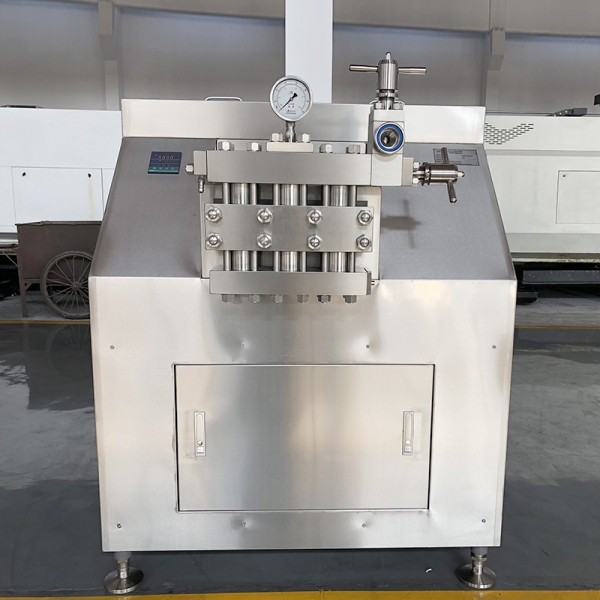
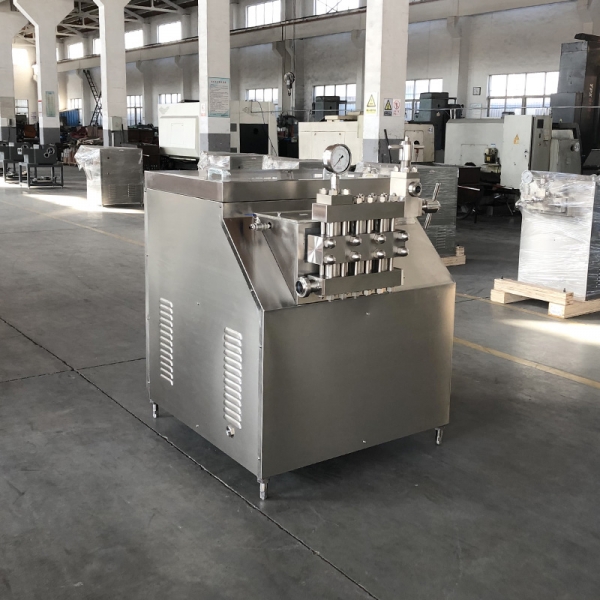
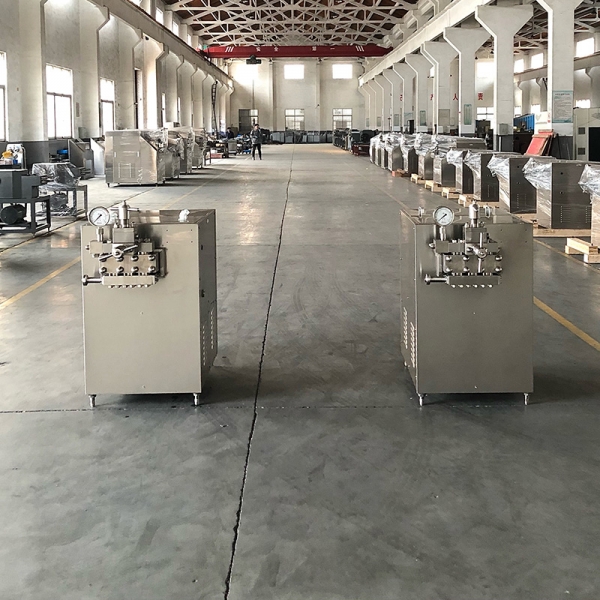
For high-pressure homogenizers, replacement-part quality should never be overlooked in an effort to reduce purchasing costs. Components that do not meet the required material, dimensional, or performance specifications may affect pressure stability, processing consistency, and equipment reliability. Using suitable replacement parts helps protect the homogenizer and reduces the possibility of repeated failures. Changzhou Chaoli Homogenizer Factory, established in 1992, specializes in the development and manufacturing of high-pressure homogenizers for food and cosmetics, pharmaceutical engineering, biologics, and nano-material applications. Its product range includes models 3011, 3015, 3030, 3045, 3090, and 4110. When managing spare parts for these or similar homogenization systems, manufacturers should confirm the exact model and component specifications with their equipment supplier to ensure proper compatibility.
Ultimately, effective spare parts management is not simply about keeping a warehouse full of components. It is about identifying critical parts, understanding replacement patterns, planning around delivery lead times, maintaining proper storage conditions, and using reliable inventory records. With a structured approach, manufacturers can reduce unexpected downtime, control maintenance costs, and keep their homogenization equipment operating more reliably over the long term.