How to Select the Right Homogenizer Supplier for Long-Term Success
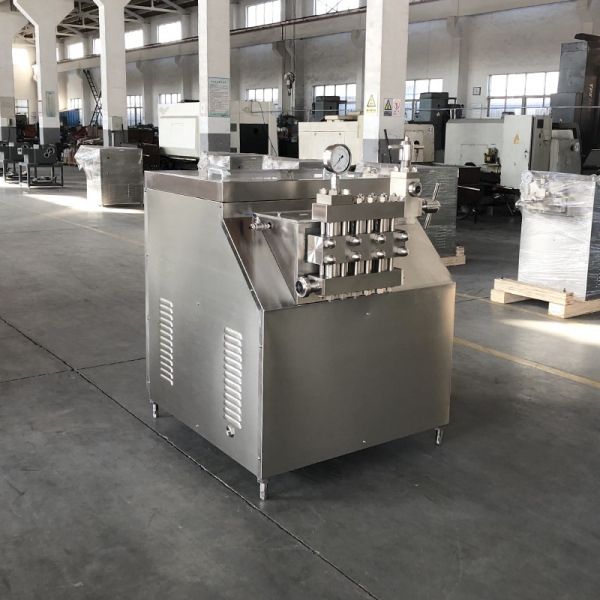
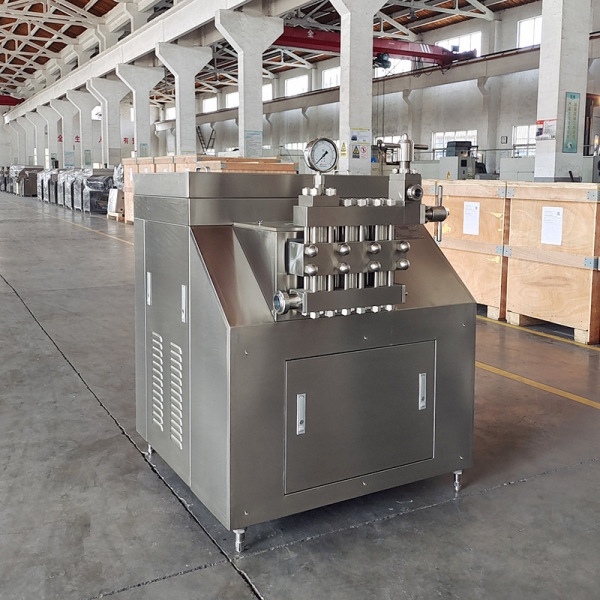
Choosing the right homogenizer supplier is one of the most important decisions for manufacturers involved in food processing, beverages, pharmaceuticals, cosmetics, biotechnology, and chemical production. A homogenizer is not just a piece of equipment—it is a long-term investment that directly affects product quality, production efficiency, operational stability, and future business growth. Selecting the right supplier ensures not only reliable machinery but also dependable technical support and long-term partnership value. The first factor to consider is the supplier’s industry experience and technical expertise. A manufacturer with years of specialization in homogenization technology understands the challenges different industries face and can provide practical solutions based on real production requirements. Experienced suppliers are more capable of recommending suitable models, optimizing processing conditions, and solving technical issues efficiently.
Product quality and manufacturing standards are equally important. High-pressure homogenizers operate under demanding conditions, so the quality of materials, machining accuracy, and assembly standards directly impact performance and durability. A reliable supplier should use high-grade materials, precision engineering processes, and strict quality control procedures to ensure stable pressure performance, long service life, and consistent operation. It is also essential to evaluate the supplier’s product range and customization capabilities. Different industries and formulations require different homogenization solutions. A strong supplier should offer multiple models with varying pressure capacities and flow rates, as well as the ability to customize equipment according to specific production needs. Whether processing dairy products, biologics, cosmetic emulsions, or nano-materials, flexibility in equipment design is a valuable advantage.
Technical support and after-sales service are critical for long-term success. Even high-quality equipment requires maintenance, spare parts, and occasional troubleshooting. A dependable homogenizer supplier should provide responsive customer support, installation guidance, operator training, and long-term technical assistance. Quick access to spare parts and service support helps minimize downtime and ensures stable production operations. Another important consideration is the supplier’s ability to support scalability and future growth. As companies expand production or develop new products, processing requirements often change. A reliable supplier should be able to provide scalable solutions that allow businesses to grow without completely replacing their equipment systems. This flexibility reduces future investment costs and supports long-term operational planning.
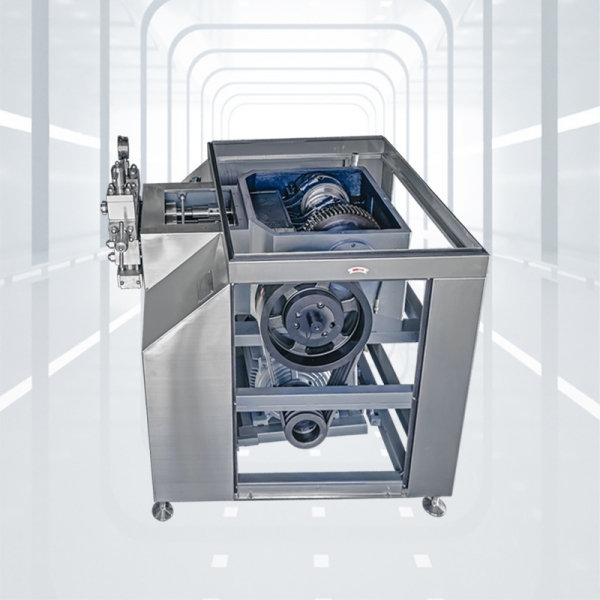
Reputation and customer feedback can also provide valuable insight into a supplier’s reliability. Companies with strong customer relationships and successful long-term partnerships often demonstrate consistent product performance and service quality. Reviewing customer case studies, industry references, or export experience can help manufacturers evaluate whether a supplier has a proven track record in global markets. Innovation and research capabilities are becoming increasingly important in modern manufacturing. Suppliers that continuously invest in technology development are better equipped to provide advanced solutions for emerging industry needs. Features such as intelligent monitoring, energy-efficient systems, low-noise operation, and precision control can significantly improve production performance and future competitiveness.
Cost should always be evaluated carefully, but the lowest price does not necessarily provide the best value. A lower-cost machine with poor durability or limited support may lead to higher maintenance expenses, production interruptions, and reduced product quality over time. Long-term success depends on balancing investment cost with reliability, efficiency, and service support. Communication and partnership approach also matter. A good homogenizer supplier works closely with customers to understand their processes, recommend suitable solutions, and provide ongoing support. Strong communication builds trust and ensures smoother collaboration during installation, operation, and future upgrades.
Ultimately, selecting the right homogenizer supplier is about more than purchasing equipment—it is about building a reliable foundation for future growth. A supplier that combines technical expertise, durable equipment, responsive support, and continuous innovation can help manufacturers improve efficiency, maintain product quality, and remain competitive for years to come.